Stressful weeks tend to overload the emotional system all at once. Deadlines, constant messages, social pressure, and lack of rest can keep the nervous system stuck in a state of alert.
This is where cozy games emotional regulation becomes meaningful. Not as an escape from reality, but as a gentle environment where emotions are allowed to slow down, settle, and reorganize.
In this article, we explore how cozy games support emotional balance during intense weeks, using simple psychological principles explained in a calm, accessible way.
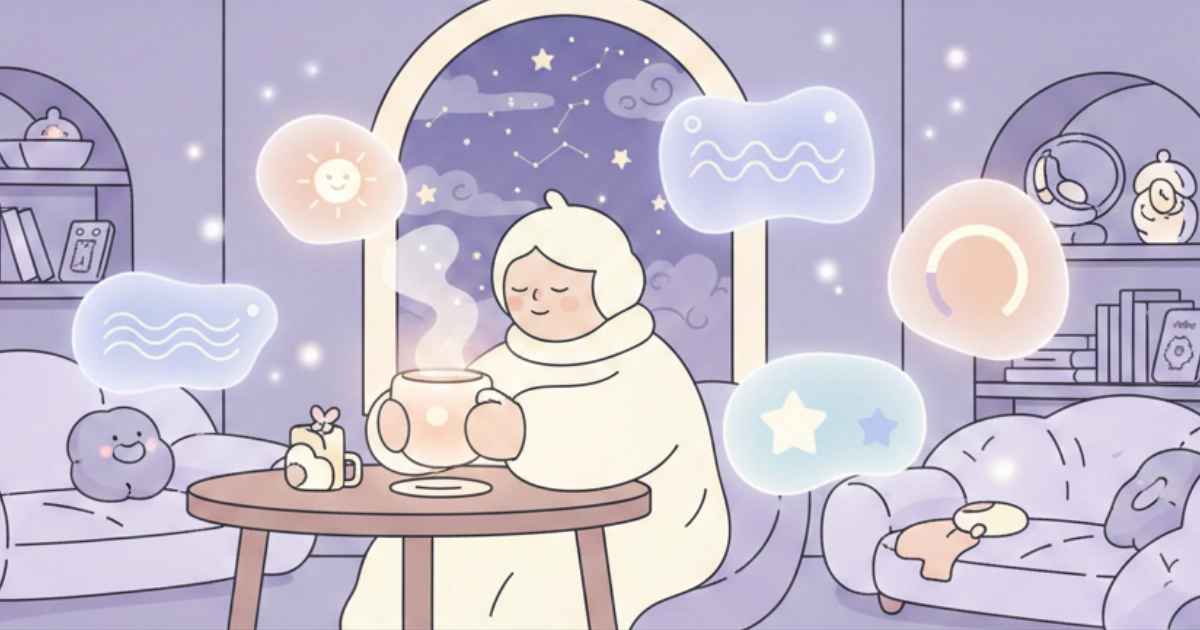
Cozy games create gentle spaces for emotional balance.
Table of Contents
Why Stressful Weeks Disrupt Emotional Regulation
During high-pressure weeks, the brain shifts into urgency mode. Attention becomes narrow, threat detection increases, and emotional flexibility decreases.
This often results in irritability, emotional numbness, or mental exhaustion. Even during breaks, the mind struggles to switch off, because it does not feel safe to rest.
Without calm pauses, emotions accumulate instead of being processed.
How Cozy Games Emotional Regulation Works on the Nervous System
Cozy games emotional regulation works by sending clear signals of safety. Low-stakes interaction, predictable feedback, and gentle pacing tell the nervous system that it can relax.
Soft visuals, warm colors, slow animations, and calm sound design support parasympathetic responses associated with recovery and emotional regulation.
Research on play and stress recovery suggests that low-pressure interactive activities can help the brain and body reset when designed intentionally. You can explore related insights into how stress affects the body and nervous system in this evidence-based health resource.
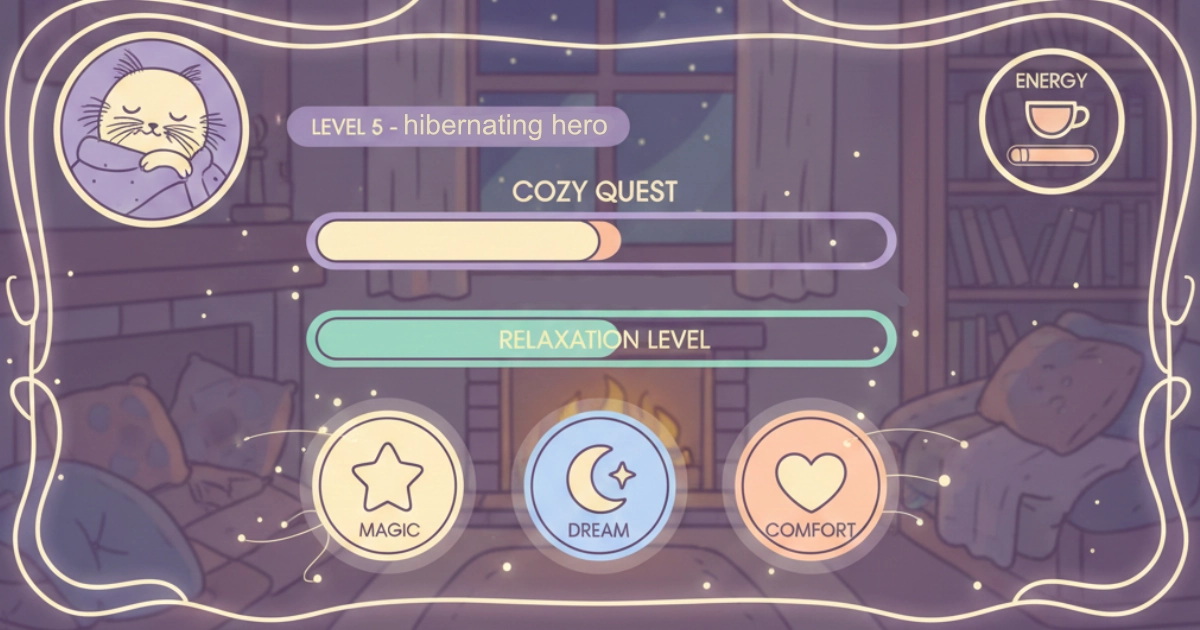
Predictable feedback helps the mind relax.
Small Repetitive Actions as Emotional Anchors
Many cozy games are built around small, repetitive actions: sorting items, crafting objects, caring for spaces, or completing simple routines.
These actions act as emotional anchors. Their repetition creates stability, while their low difficulty removes performance pressure.
Instead of forcing calm, the game creates conditions where calm can naturally emerge—especially helpful during stressful weeks when complex decisions feel exhausting.
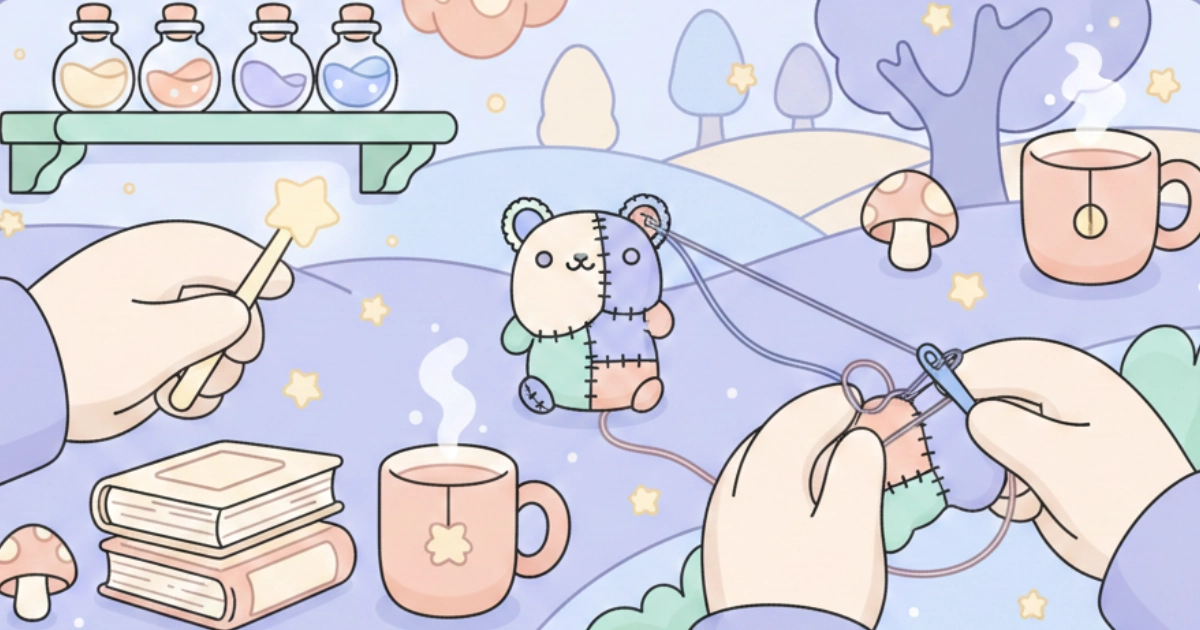
Tiny actions help emotions settle.
Emotional Safety Without Performance Pressure
Unlike competitive or fast-paced games, cozy games remove the fear of failure. There are no harsh penalties for mistakes, slowness, or stopping.
This absence of judgment creates emotional safety. Players can engage at their own rhythm, pause when needed, and return without stress.
For students, professionals, and adults under pressure, this makes cozy games a reliable tool for emotional decompression rather than stimulation.
Why Cozy Games Support Emotional Regulation Better Than Passive Media
Passive media can be relaxing, but it does not always guide attention. Racing thoughts can continue unchecked.
Cozy games offer gentle interaction. That light engagement helps redirect attention without overstimulation, creating a balance between rest and focus.
This balance makes cozy games emotional regulation particularly effective during stressful weeks. If you want to explore this further, you may enjoy reading more about cozy games and digital calm on the Potion Game blog.
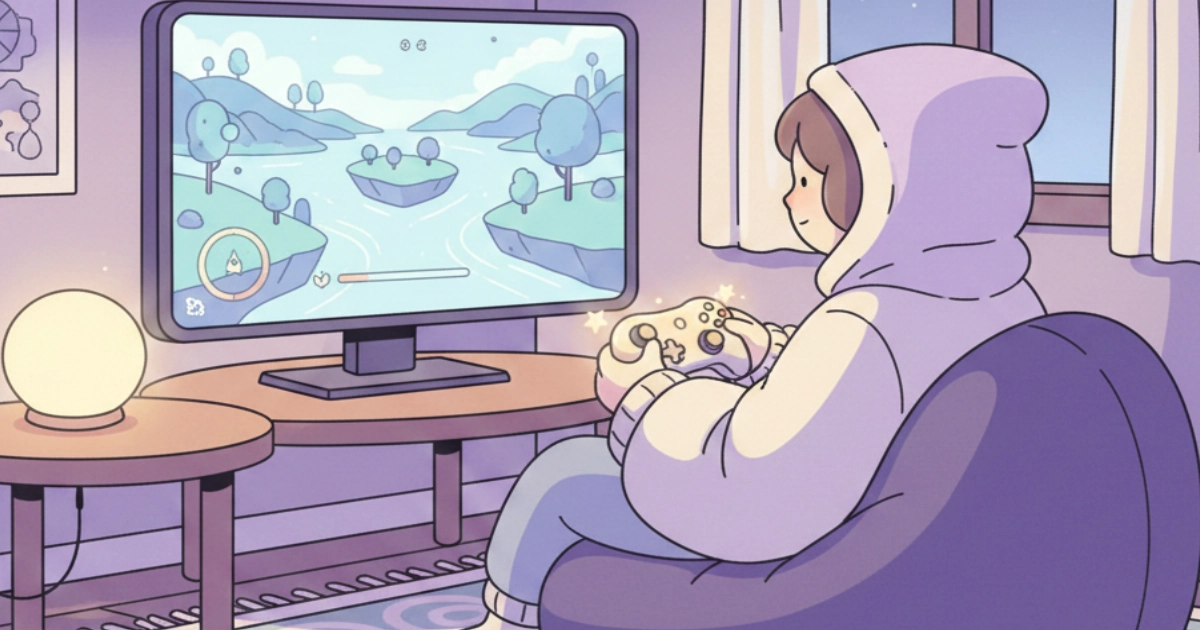
Cozy games fit naturally into calming routines.
Final Thoughts
Stressful weeks will always exist. What can change is how we support ourselves emotionally during them.
Cozy games do not solve problems, but they create space for emotions to breathe. Through safety, rhythm, and gentle interaction, cozy games emotional regulation becomes a quiet ally during intense periods.
If this resonates with you, explore the world of Potion Game and join the waitlist to experience calm, crafted play designed for emotional balance.
Want to be part of a new cozy alchemy adventure?
Join the Potion Game waitlist 💛