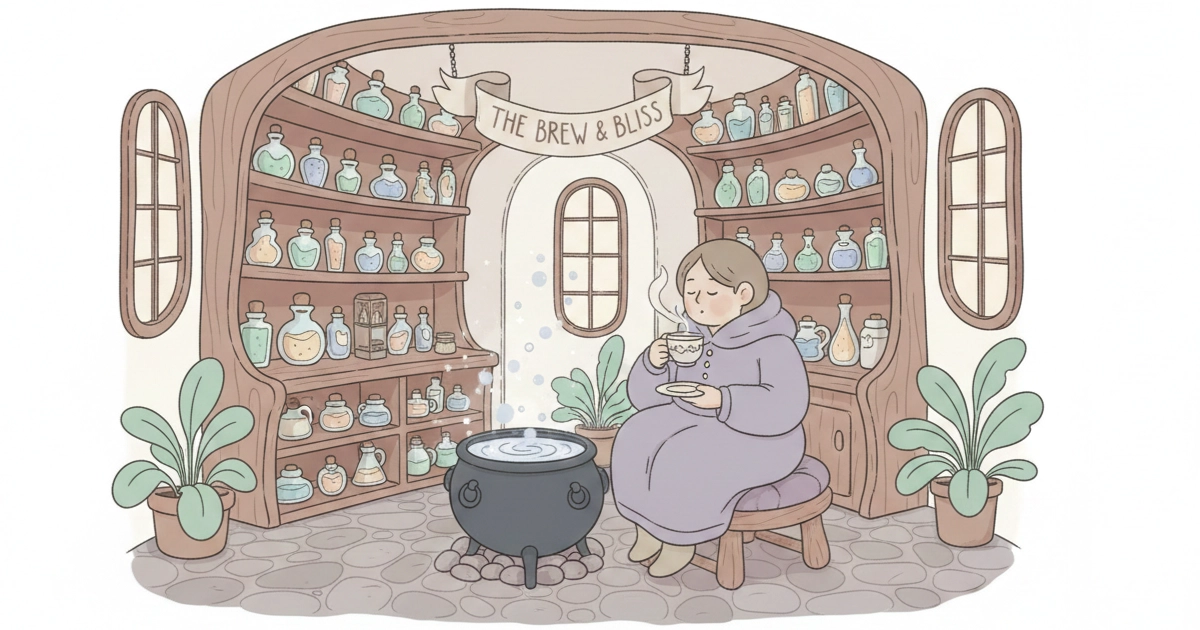
Cozy games belonging is the feeling that a game has space for you—without pressure, without judgment, and without asking you to perform. It is the quiet sense that you are welcome exactly as you are.
For many players, this feeling matters more than challenge or excitement. When a game feels safe and familiar, the body relaxes. Thoughts slow down. Being inside that world starts to feel like coming home after a long day.
This article explores why cozy games create such a strong sense of belonging, how they support emotional connection, and why that comfort can feel deeply real.
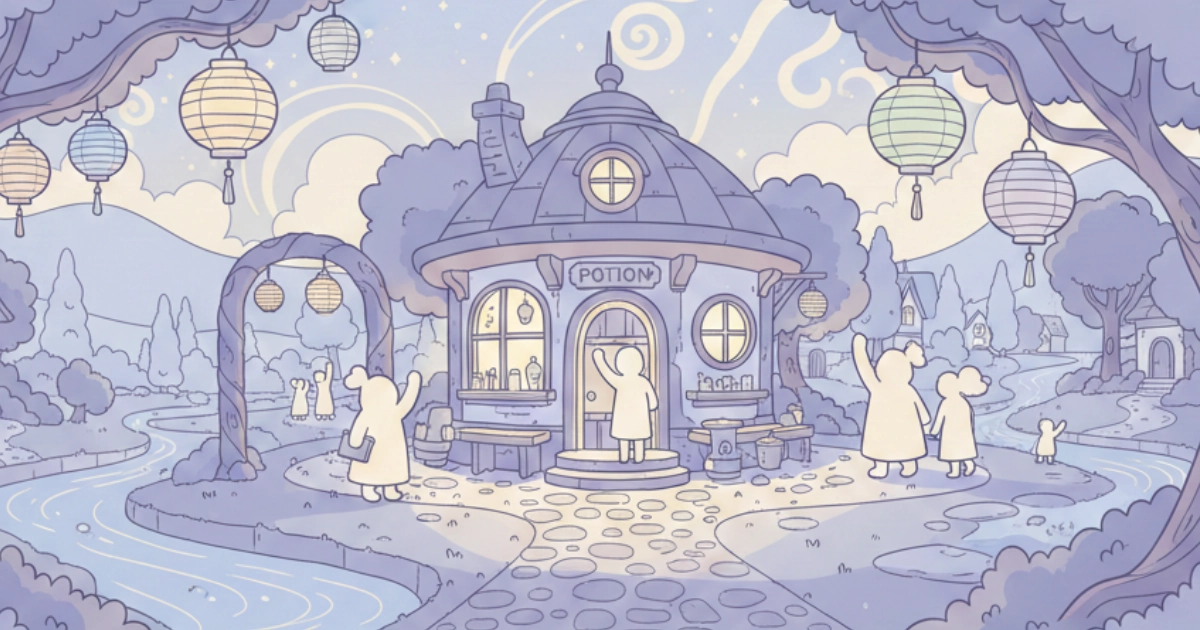
A gentle world that feels welcoming from the first step.
Table of Contents
Belonging Starts With Feeling Safe
Belonging cannot grow when the nervous system feels tense. Before connection, the body needs safety. Cozy games understand this instinctively.
They lower emotional stakes. Mistakes are allowed. Progress is forgiving. The world does not rush you or punish hesitation. This safety creates the conditions where belonging can exist.
When a game removes fear of failure, players can relax into curiosity. Even small interactions—entering a shop, greeting a character, completing a simple task—start to feel meaningful rather than stressful.
How Cozy Games Belonging Grows Through Gentle Rituals
Belonging often comes from repetition. Familiar places, familiar actions, familiar rhythms. Cozy games are built around these gentle rituals.
Watering plants each morning. Brewing a potion in the same quiet order. Tidying a space before resting. These actions become emotional anchors. They tell the brain: you’ve been here before, and it was safe.
Over time, these routines turn the game into a place you can return to. There is no guilt for leaving. No penalty for coming back later. That freedom strengthens cozy games belonging, especially for players who feel socially drained or overwhelmed.
If this idea resonates, you may also enjoy our article on cozy games mindfulness, where we explore how gentle repetition supports calm attention.
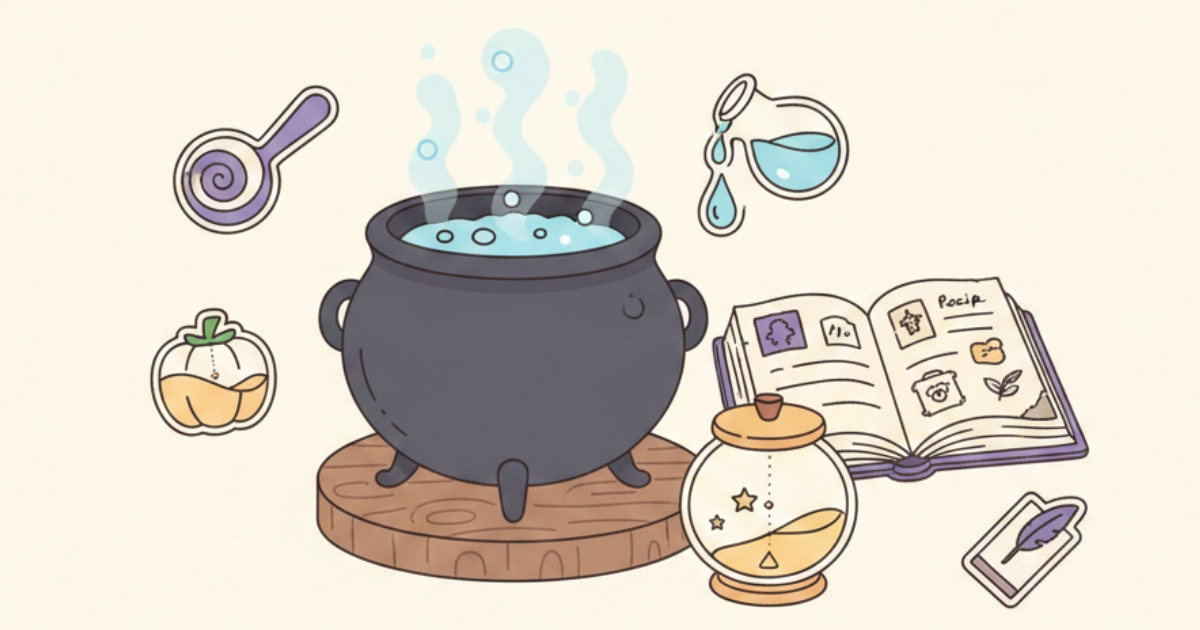
Small rituals that quietly say, “you’re safe here.”
Soft Characters Create Connection Without Pressure
Cozy games often use characters that feel emotionally approachable. They speak kindly. They remember your help. They react with warmth instead of judgment.
This creates what we can call soft connection. There is relationship, but no social risk. You are not evaluated. You are not tested. You are simply included.
For players who feel lonely, anxious, or socially tired, this matters. Even though NPCs are fictional, the emotional signals are real. Being thanked, remembered, or welcomed supports the same feelings as gentle human connection.
Cozy games rarely ask you to prove yourself to belong. Instead, they invite you in and let belonging grow naturally.
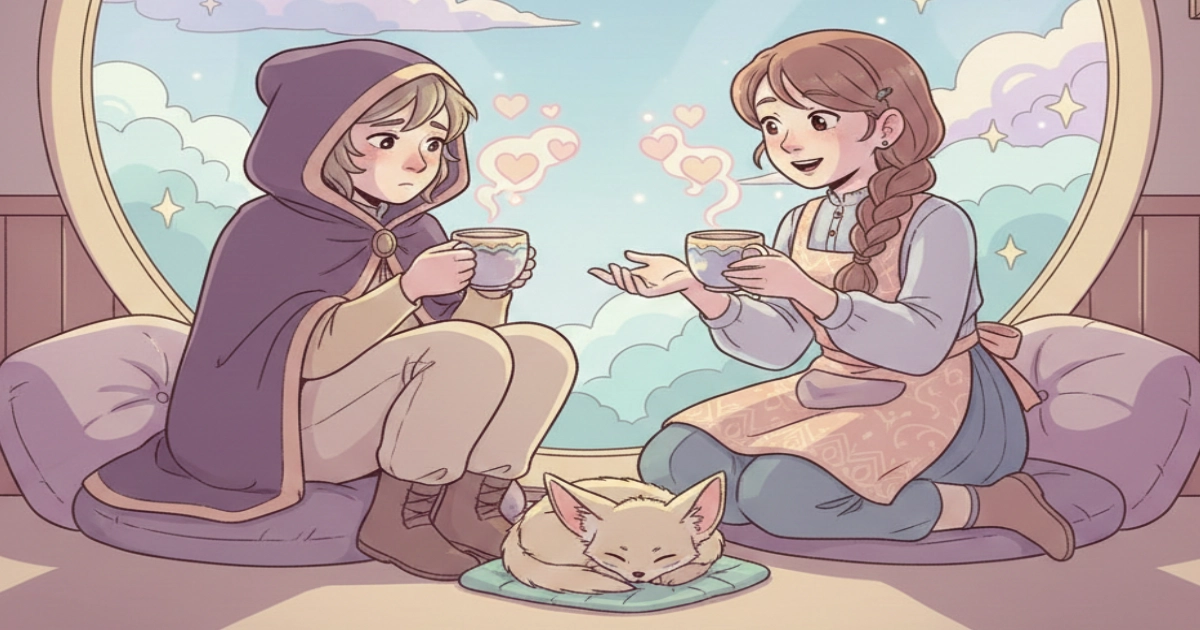
Connection that feels kind, simple, and unforced.
Belonging Beyond the Game: Gentle Communities
Cozy games belonging does not stop at the screen. Many cozy communities mirror the tone of the games themselves.
Players share decorations, recipes, favorite moments, and small achievements. The social reward is not dominance or competition, but care and creativity.
For someone who feels isolated, even quietly browsing these spaces can create a sense of shared world. You are not alone in loving this softness. Others are here too.
For broader insight into how social connection supports wellbeing, you can explore an external evidence-based resource on belonging and a global health resource on loneliness and wellbeing.
Design Choices That Strengthen Cozy Games Belonging
Belonging is not accidental. Cozy games often rely on quiet design patterns that reduce emotional threat and increase warmth.
- Inviting spaces: environments feel lived-in and personal.
- Gentle feedback: effort is acknowledged without pressure.
- Slow pacing: time feels flexible, not demanding.
- Kind language: dialogue avoids humiliation or harshness.
- Helping roles: the player supports others in manageable ways.
- Personal expression: decorating and crafting reflect identity.
Together, these choices turn the game into a relationship rather than a challenge. You are not just completing tasks. You are participating in a rhythm that recognizes you.
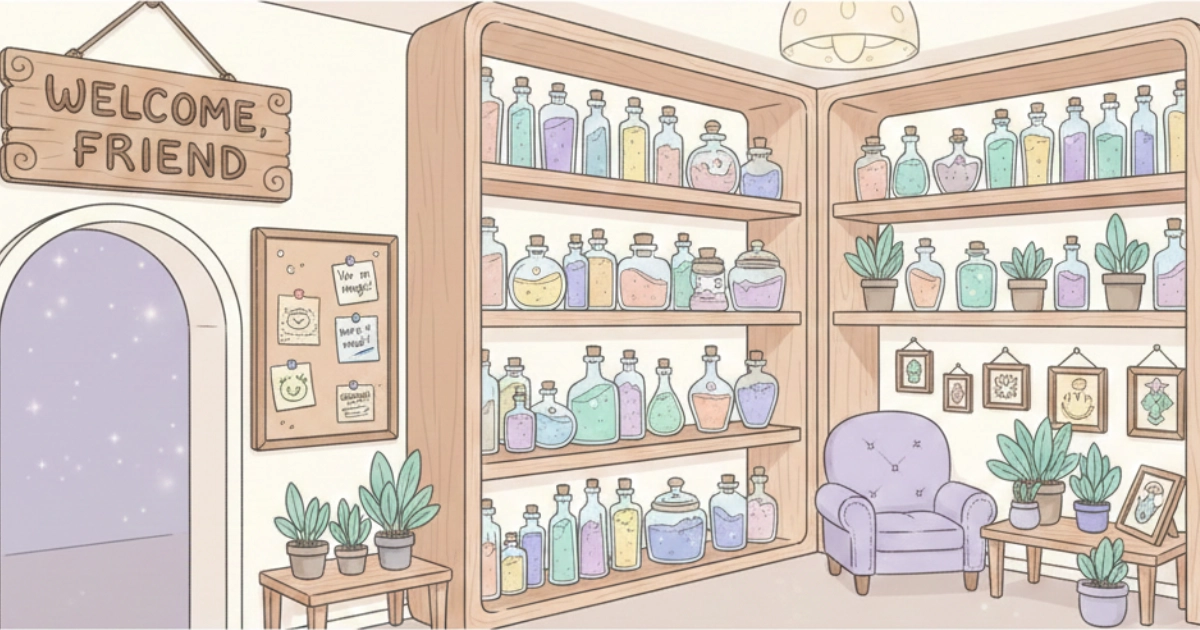
A space that feels like it remembers you.
Final Thoughts
Cozy games feel like home because they offer safety before challenge, connection without pressure, and routines that welcome you back. They meet a real emotional need: the need to belong somewhere gently.
If you’re drawn to calm worlds and soft connection, Potion Game is being created with that same intention. If you’d like to stay close to the project, join the waitlist and step into a world designed to feel welcoming, steady, and kind.
Want to be part of a new cozy alchemy adventure?
Join the Potion Game waitlist 💛