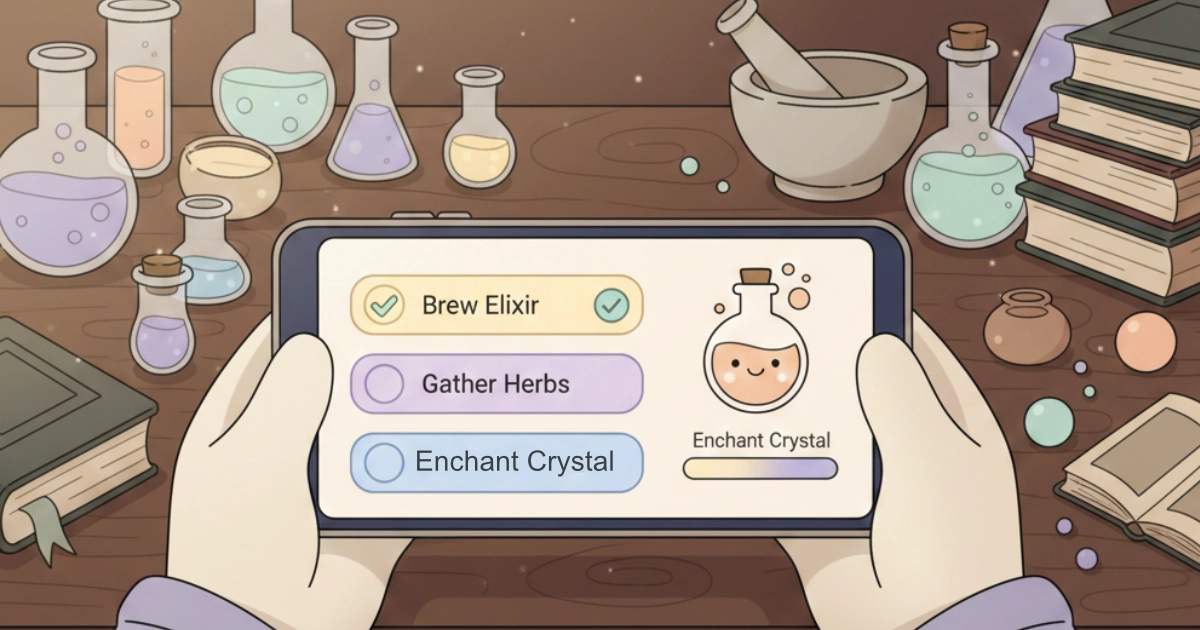
Cozy games mindfulness is not about chanting, silence, or perfect breathing exercises. It is about how gentle play can guide your attention into the present moment, in a way that feels natural and low-pressure.
If meditation apps have never clicked for you, you are not alone in that experience. Many people want calm, but they struggle with stillness. Cozy games can offer a softer doorway: small actions, clear feedback, and a safe rhythm that invites your mind to settle.
This article explains why cozy games can feel like mindfulness even without “meditation mechanics.” We will look at attention, stress, sensory comfort, and the design choices that make calm games feel grounding.

Clear steps make focus feel safe.
Table of Contents
1) Mindfulness without meditation: what it really means
Mindfulness is often described as paying attention to what is happening right now, with less judgment and less rushing. You can practice it while walking, cooking, or listening to music. It does not require a special posture or a perfect mind.
Cozy games can support that same “present-moment attention” by giving you one small task at a time. When the task is gentle, your nervous system can relax instead of bracing for performance.
2) How cozy games mindfulness works through attention and “one thing at a time”
Many people feel stressed because their attention is fragmented. Notifications, tabs, and worries pull the mind in ten directions. Cozy games often do the opposite: they narrow your focus to a few clear actions, like watering plants, sorting items, or crafting something step by step.
This “single-thread” attention is a core feature of cozy games mindfulness design. You are not trying to win fast. You are just doing the next small thing, and the game responds in a clear, satisfying way.
If you enjoy design psychology, you may also like our internal article on calm loop patterns: Calm Loops vs Reward Loops: A Psychological Comparison.
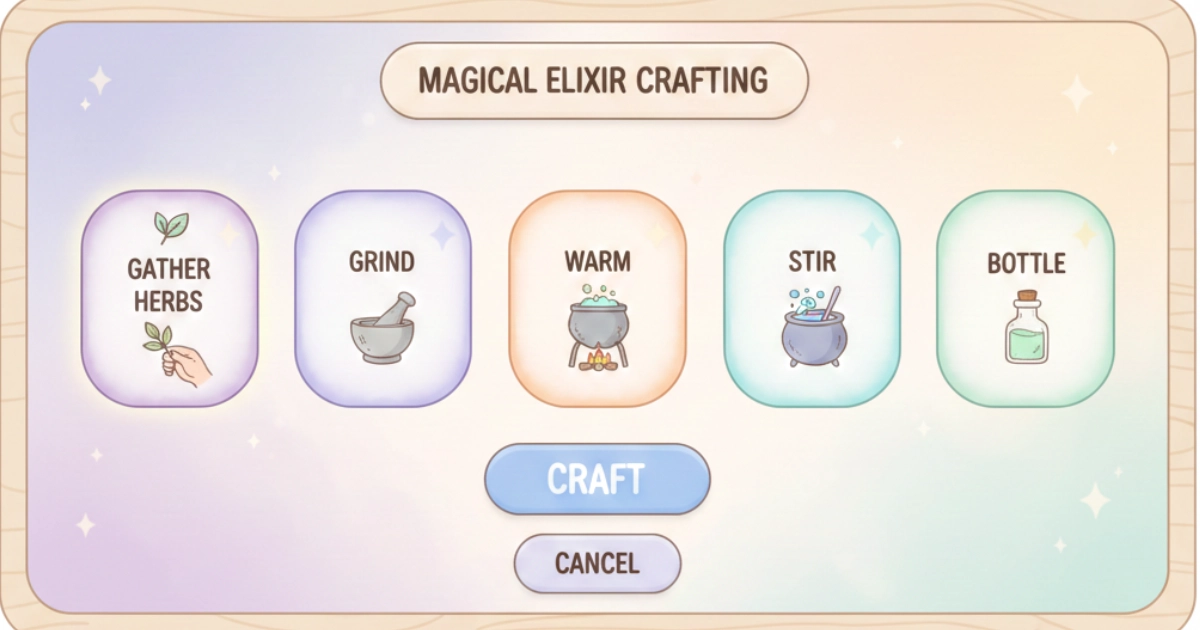
Clear steps make focus feel safe.
3) Gentle sensory design: why soft visuals and sound can reduce stress
Mindfulness is easier when your senses feel safe. Many cozy games use soft lighting, friendly motion, and soothing audio. This matters because harsh contrast, noisy effects, and intense pacing can keep your body in a “ready to react” state.
Calm games often lean into readable interfaces, gentle animations, and slow transitions. When your eyes and ears do less work, you have more space to notice what you are doing and how you feel while doing it.
For a deeper look at visual comfort, see our internal guide: Why Low-Contrast Interfaces Reduce Visual Stress.
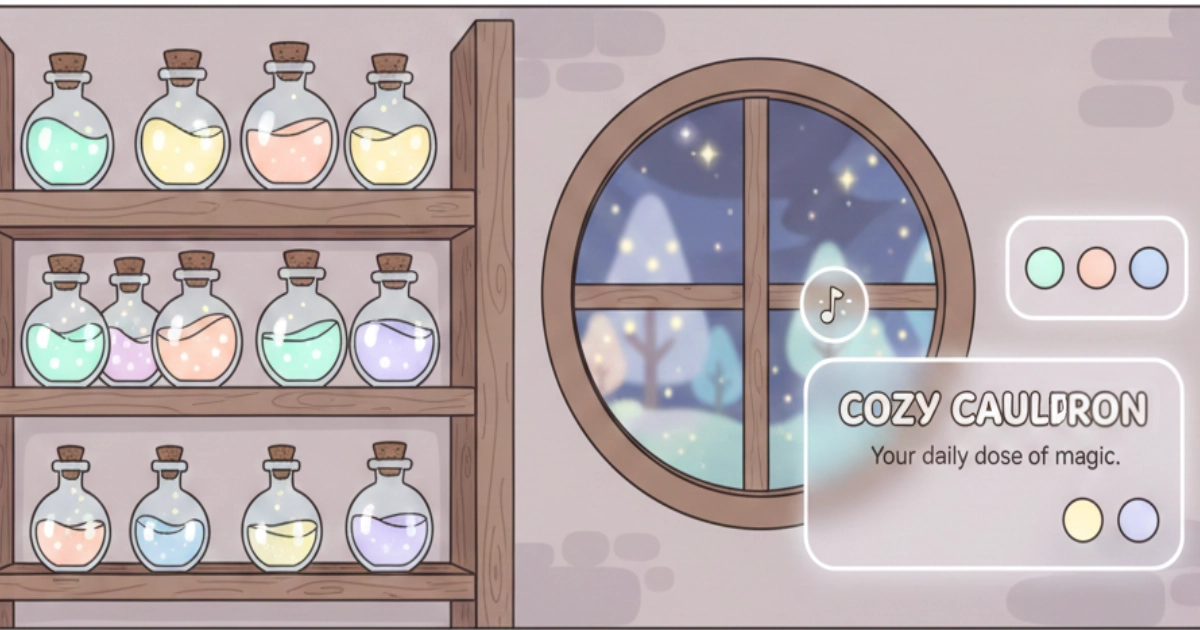
When the senses relax, attention can land.
4) Cozy rituals: small repeated actions that feel grounding
Mindfulness often becomes easier when it is tied to a ritual. In everyday life, that can be making tea, folding clothes, or preparing a simple meal. In cozy games, rituals appear as repeated, low-stakes actions that you can return to whenever you need stability.
These actions create a predictable rhythm: check your garden, tidy your inventory, craft a helpful item, decorate a corner, then rest. The brain likes gentle predictability, especially when real life feels uncertain.
This is one reason crafting can feel therapeutic. If that topic speaks to you, you can explore: Why Simple Crafting Systems Feel Therapeutic.
5) Why it feels mindful even without “meditation mechanics”
Some games add explicit breathing prompts or “sit and reflect” moments. Those can be lovely, but they are not required for cozy games mindfulness. The mindful feeling can come from how the game holds you: clear goals, kind feedback, and a pace that respects your nervous system.
Here are a few design reasons cozy games can feel mindful without calling themselves meditation:
- Clear feedback: actions lead to understandable results, which supports calm confidence.
- Low threat: fewer punishments, fewer sudden failures, more room to experiment.
- Gentle pacing: time pressure is reduced, so you can stay present instead of rushing.
- Meaningful simplicity: small tasks feel complete, which reduces mental noise.
- Soft agency: you choose your next action, but the choice never feels overwhelming.
For an evidence-based overview of digital wellbeing and stress, you can explore an authoritative external resource such as a global health guidance page on stress and wellbeing, and for an accessible explanation of mindfulness basics you can reference an international mindfulness education resource.
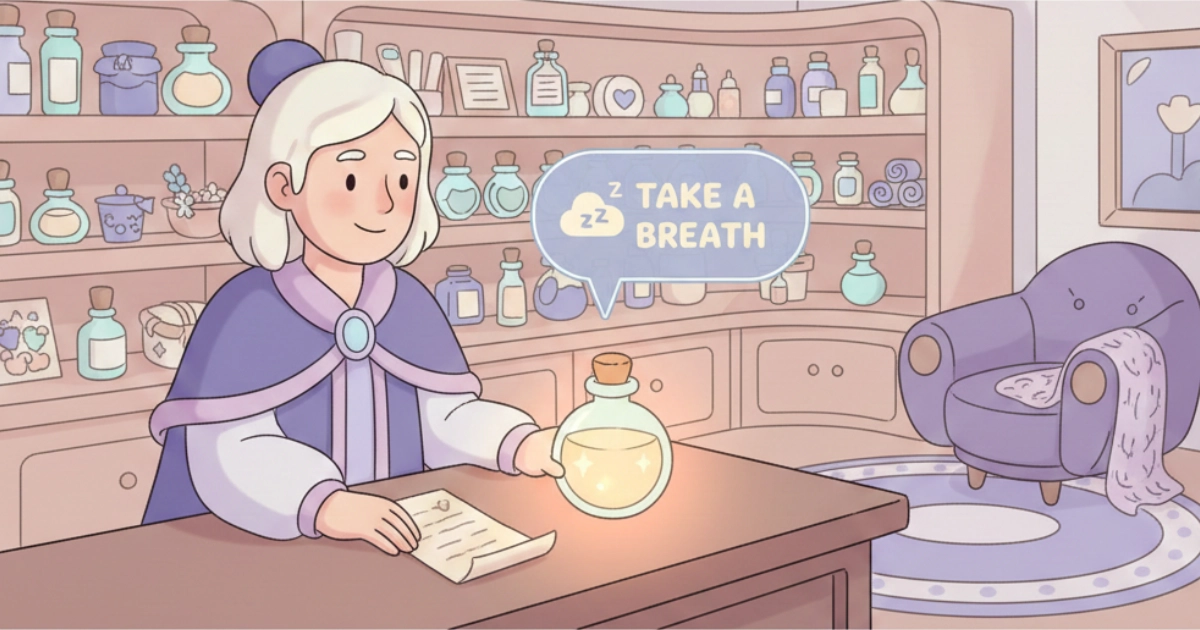
A calm “done” feeling is its own kind of rest.
Final Thoughts
If meditation feels too still, cozy games can be a kinder starting point. They can train your attention gently, soften stress through sensory comfort, and create small rituals that make your day feel more manageable.
Mindfulness does not have to look a certain way for everyone. Sometimes it looks like stirring a potion, placing one object neatly on a shelf, and feeling your thoughts slow down for a moment. If you want more calm design insights, join the waitlist and step into our cozy alchemy world when it is ready.
Want to be part of a new cozy alchemy adventure?
Join the Potion Game waitlist 💛