Some of the strongest emotional moments in games happen quietly. In emotional connection games, players can care deeply about a place, a routine, or a small creature—even when no one speaks.
Cozy games excel at this form of connection. Instead of dialogue, they rely on atmosphere, gentle interaction, and calm repetition. The result is closeness that feels safe, personal, and emotionally breathable.
This article explores how emotional connection can emerge without words, and why this approach feels especially comforting for introverts, sensitive players, and anyone drawn to calm, cozy play.

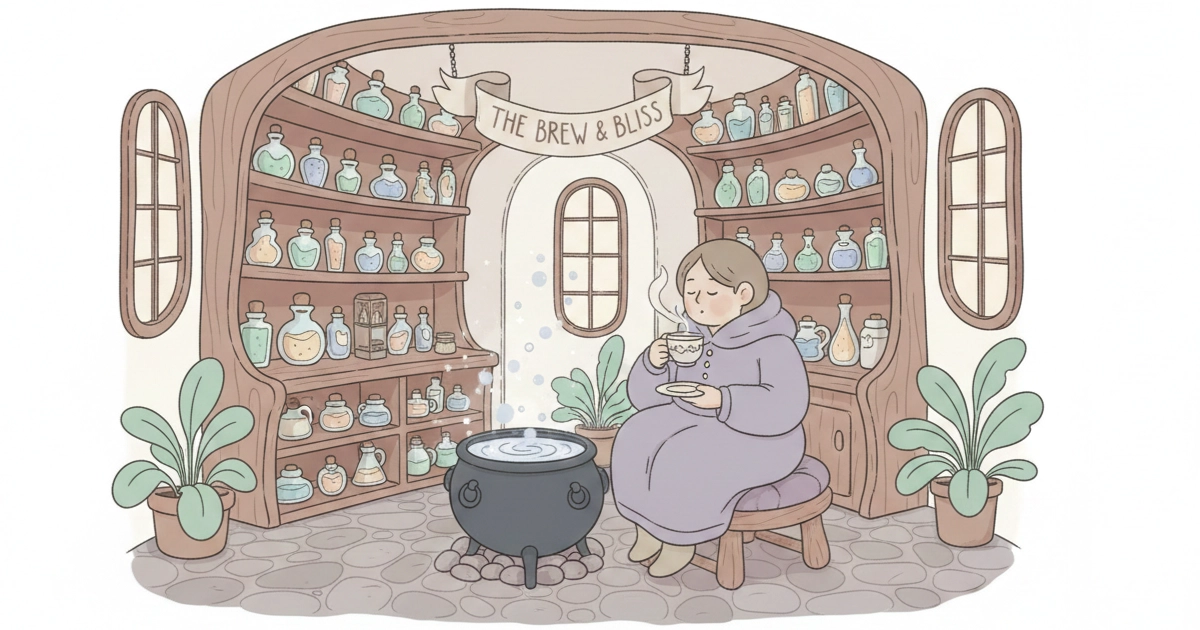
A quiet craft moment that feels personal without a single word.
Table of Contents
1) Atmosphere as a Nonverbal Welcome
When dialogue is absent, the world itself becomes the communicator. Soft lighting, rounded shapes, slow particles, and calm spaces can send a clear message before the player acts: “You are safe here.”
In cozy games, atmosphere works as emotional orientation. Predictable visuals and gentle soundscapes reduce uncertainty, and lower uncertainty makes emotional closeness easier. Comfort is not just a theme—it is a signal.
2) Emotional Connection Through Touch, Rhythm, and Micro-Feedback
Many emotional connection games rely on simple, physical-feeling actions: stirring, watering, sorting, placing, cleaning. These tasks are small, but they feel intimate because they involve rhythm and repetition.
Soft clicks, gentle haptics, smooth animation timing, and subtle visual feedback turn actions into rituals. Over time, the player learns the game’s rhythm the way you learn a familiar daily routine. That familiarity supports emotional regulation, especially during stressful days.
If this design approach resonates with you, you may enjoy Why Cozy Games Feel Like Mindfulness (Even If You Don’t Meditate), where we explore calm attention through gentle interaction.

Small tasks can feel like gentle care.
3) Environmental Storytelling: Letting Objects Speak
Environmental storytelling is one of the most powerful nonverbal tools. A worn rug, a shelf that slowly fills with objects, a garden that changes with the seasons—these details suggest history and meaning without explanation.
Cozy games often show “evidence of life”: a steaming kettle, friendly signage, a pet bed that looks recently used. These signals invite the player to imagine the world continuing beyond the screen, which deepens emotional attachment.
When players decorate, organize, and improve a space, ownership begins. The environment becomes familiar, then personal, then emotionally meaningful.

The space becomes the narrator.
4) Music and Sound as Emotional Handholding
Sound guides emotion with subtle precision. Soft melodies, looping ambience, and gentle UI sounds help the brain settle into a calmer state.
Instead of sharp audio spikes, cozy games use predictable sound patterns: a simmering pot, a distant breeze, a small chime on completion. This consistency reduces cognitive load and supports focus and relaxation.
For an accessible overview of how sound influences emotion, the APA’s guide on music and the brain is a helpful reference.
5) Gentle Choice and Agency Without Words
Dialogue is not the only way to express care. Choice can do the same—especially when it is low-pressure and reversible. Choosing a decoration, a small gift, or what to grow next allows players to project themselves into the world.
This creates a sense of “self-in-world.” When a game respects your pace and preferences, it quietly communicates acceptance. That feeling is a strong foundation for emotional connection.
These design choices also align with basic wellbeing needs such as autonomy and competence. For a broader, research-oriented perspective, the World Health Organization’s mental health resources offer a solid overview.

Agency can feel like being understood.
Final Thoughts
Cozy games do not need dialogue to feel emotionally rich. When atmosphere welcomes, actions feel caring, objects tell stories, and sound supports calm, emotional connection can grow naturally and quietly.
If you are interested in this design space, you may also enjoy Why Cozy Games Create a Sense of Belonging. And if you want to experience a gentle crafting world built around calm rituals, join the Potion Game waitlist.
Want to be part of a new cozy alchemy adventure?
Join the Potion Game waitlist 💛