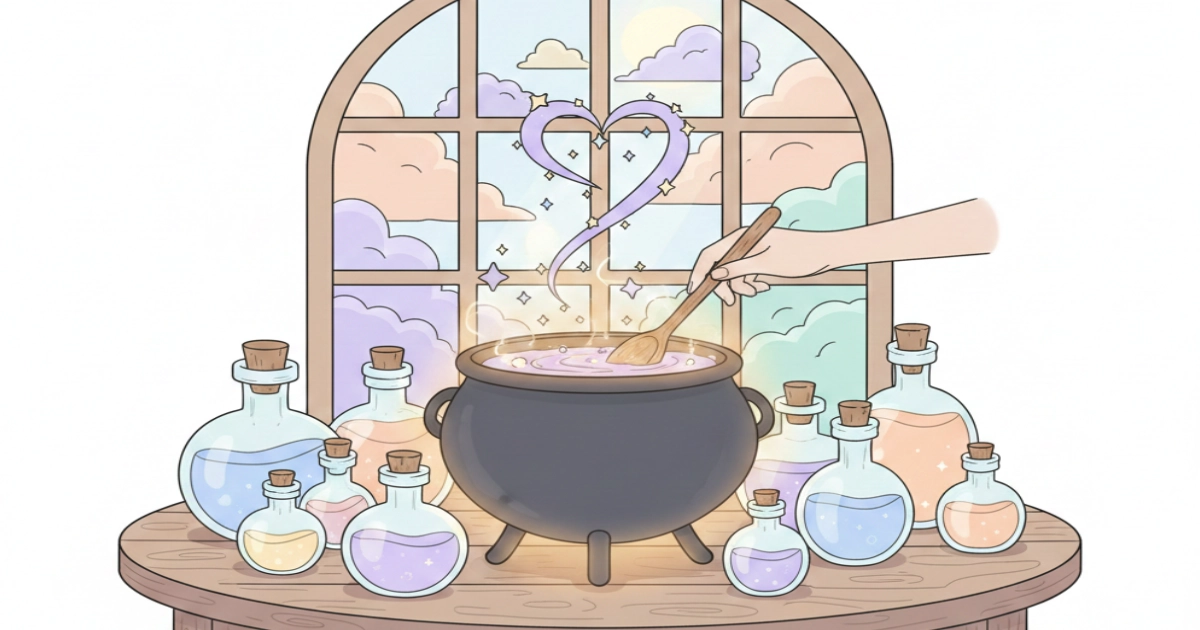
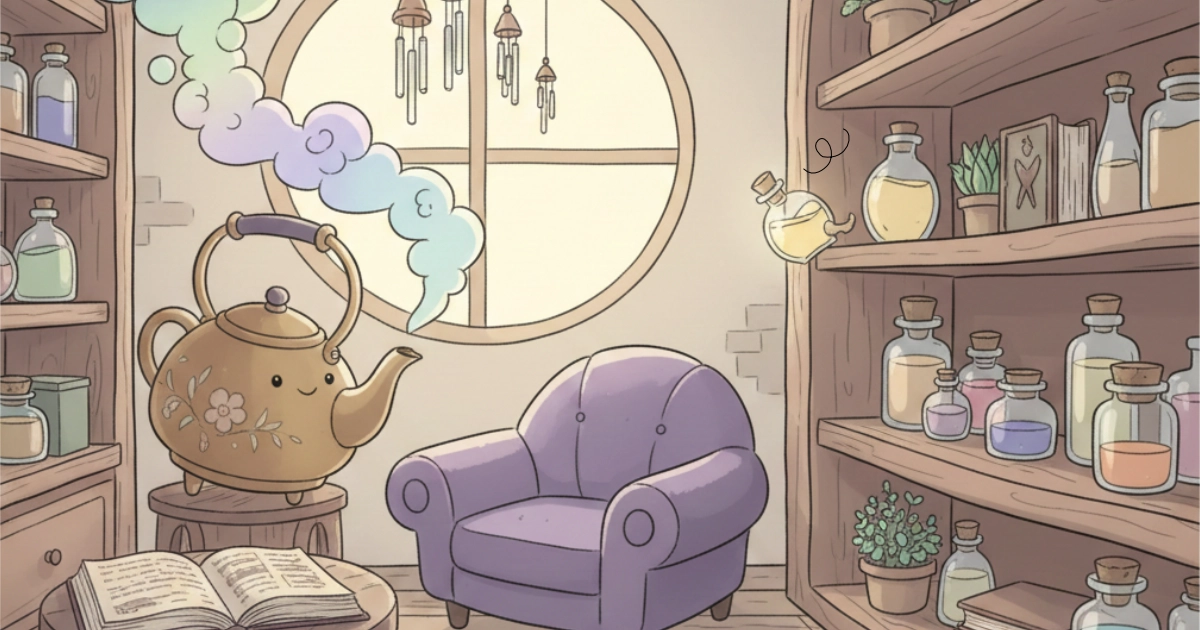
There is a quiet kind of relief in games that ask less of you. When a cozy game makes “doing less” feel meaningful, it creates a special kind of calm: gentle, safe, and surprisingly satisfying.
This is the heart of doing less peaceful design. Instead of pushing constant goals, time pressure, or punishment, cozy games invite you to move at a softer pace, where small actions feel enough.
In this article, we’ll explore why low-pressure play feels emotionally soothing, how minimal tasks can still feel rewarding, and what game design choices help the brain settle into digital calm.
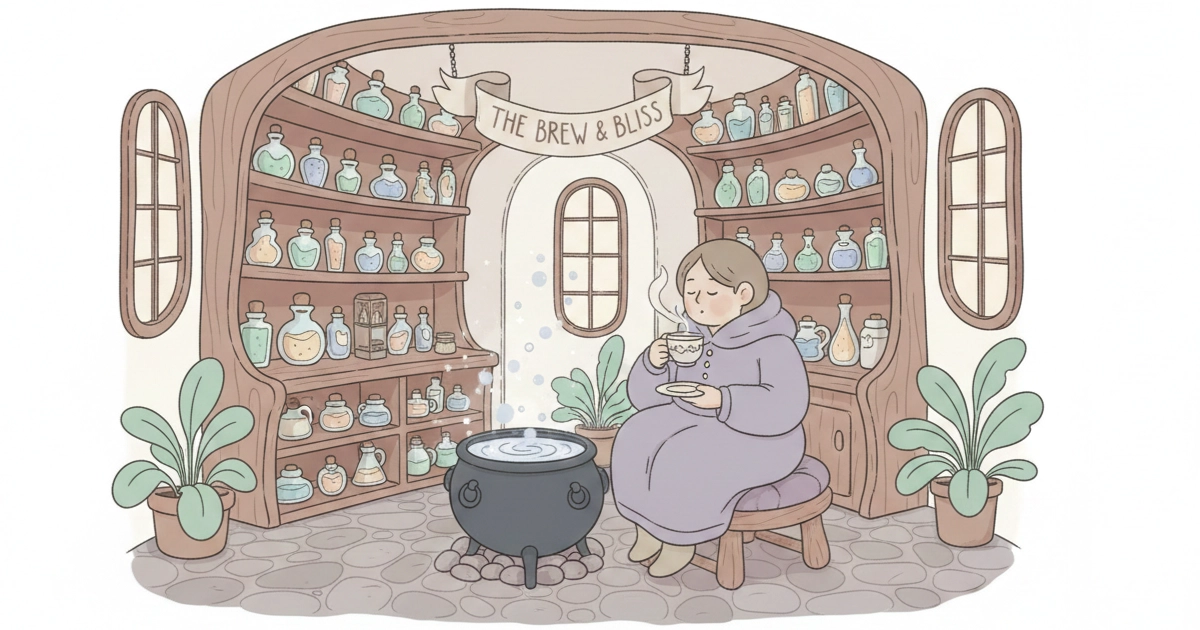
A quiet moment where small actions feel enough.
Table of Contents
1) Why “Doing Less Peaceful” Feels Like Real Rest
Many games are built around urgency: timers, streaks, leaderboards, and constant improvement. These systems can be exciting, but they also keep the mind in “push mode.”
Cozy games often do the opposite. They create psychological safety by removing harsh consequences. When you can pause, wander, or stop without losing progress, your nervous system gets permission to settle.
2) Doing Less Peaceful Design Reduces Cognitive Load
Cognitive load is the amount of mental effort you use to keep track of information, choices, and rules. When a game asks for many fast decisions, your brain works hard even if you enjoy it.
Cozy games tend to simplify the decision space. You might choose a seed, stir a potion, or decorate a corner. These actions are small, clear, and emotionally “light.” That clarity can feel like taking off a heavy backpack.
This is one reason relaxing games help after intense days. You are still engaged, but you are not overwhelmed. If you want another angle on gentle interaction design, you may enjoy our guide to cozy tiny moments.
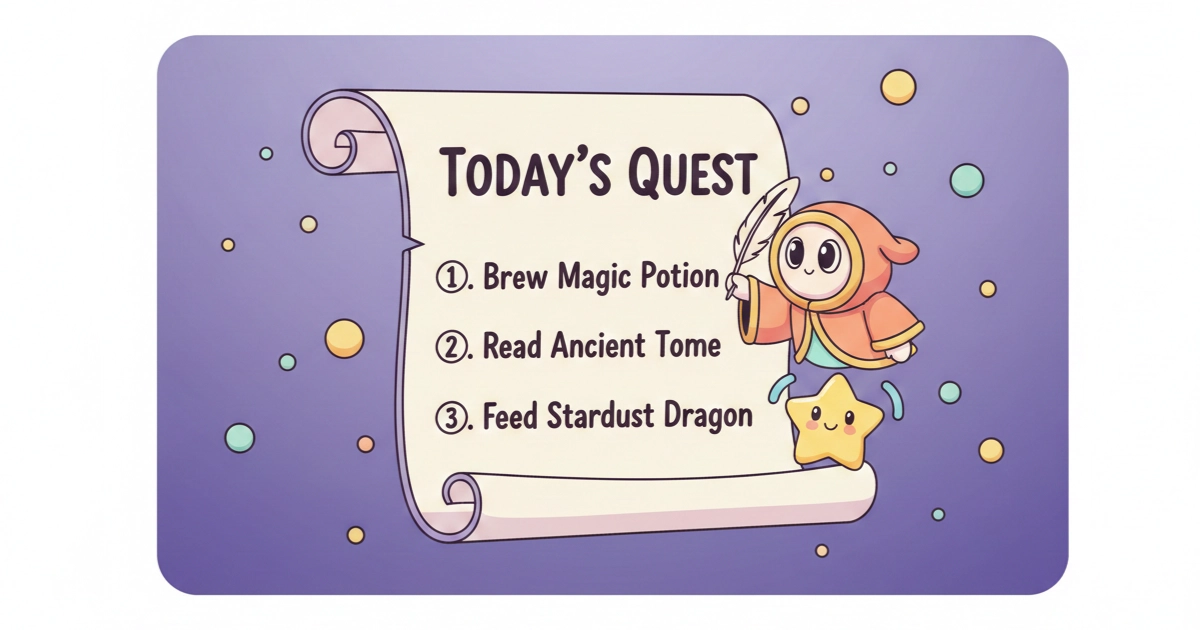
Fewer choices can feel like more breathing room.
3) Small Rewards Without Pressure: The Brain Loves Gentle Closure
A common myth is that calm games have to be “empty.” In reality, cozy games can be deeply rewarding because they offer completion without stress.
When you finish a small task—like watering plants or crafting a simple item—you get a sense of closure. That closure can support mood and motivation, especially when it arrives without fear of failure.
This aligns with what many digital wellbeing resources highlight: structured, manageable activities can feel calming when they are not tied to constant performance. For a broader view on digital wellbeing and mental health, you can explore the World Health Organization’s overview on mental health and wellbeing.
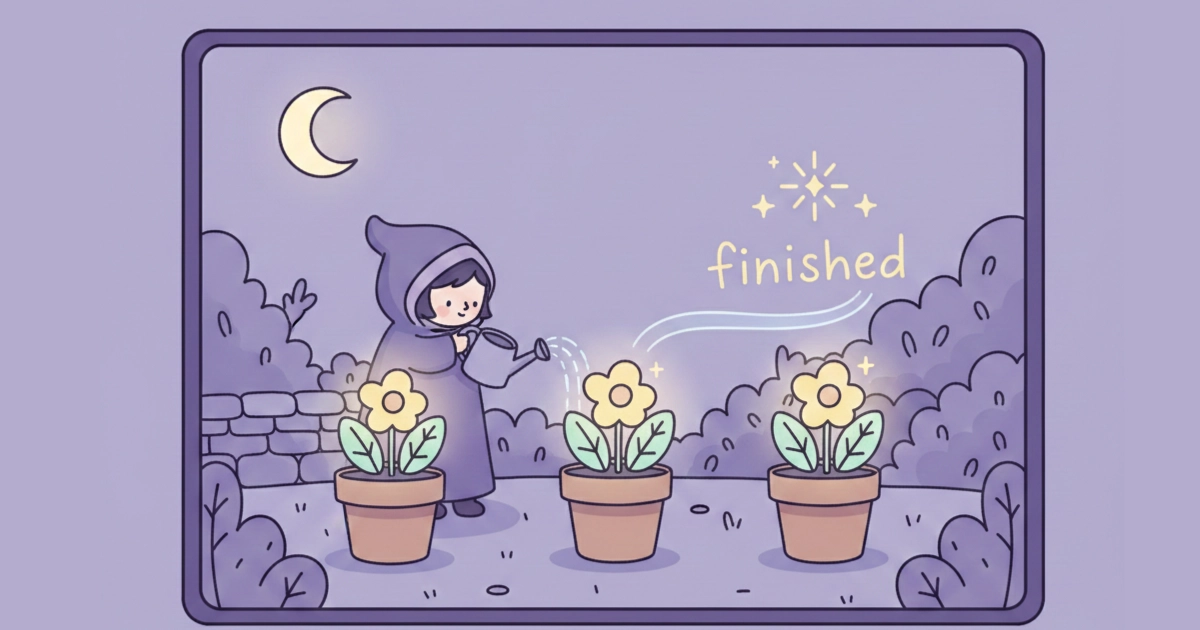
A tiny “done” can feel surprisingly comforting.
4) Slow Pacing Helps the Body Match the Game
Peaceful play is not only mental. The body also responds to pacing. When animations are softer, transitions are slower, and the soundtrack is gentle, your breathing often follows.
This is why cozy games for stress often feel like a bridge between entertainment and wind-down rituals. The game becomes a safe rhythm: open the app, do one small thing, feel settled, stop.
If you want to explore how design choices shape calm, you might like The Science of Soft Animations: Why Smooth Frames Calm the Brain, which looks at how gentle motion and slower pacing help the body relax.
5) Minimalism With Meaning: Why “Less” Can Feel More Emotional
Minimalism in cozy games is not about emptiness. It is about removing the “noise” that makes play feel demanding. When fewer systems compete for attention, small details feel more present.
This is where doing less peaceful gameplay becomes emotionally soft. You notice tiny sounds, gentle colors, and the feeling of a task completed without judgment. You are not trying to win. You are practicing a kind of calm.
Research on mindfulness often emphasizes attention and non-judgment as helpful qualities for emotional balance. For a practical introduction to mindfulness concepts, you can visit the American Psychological Association’s mindfulness overview.
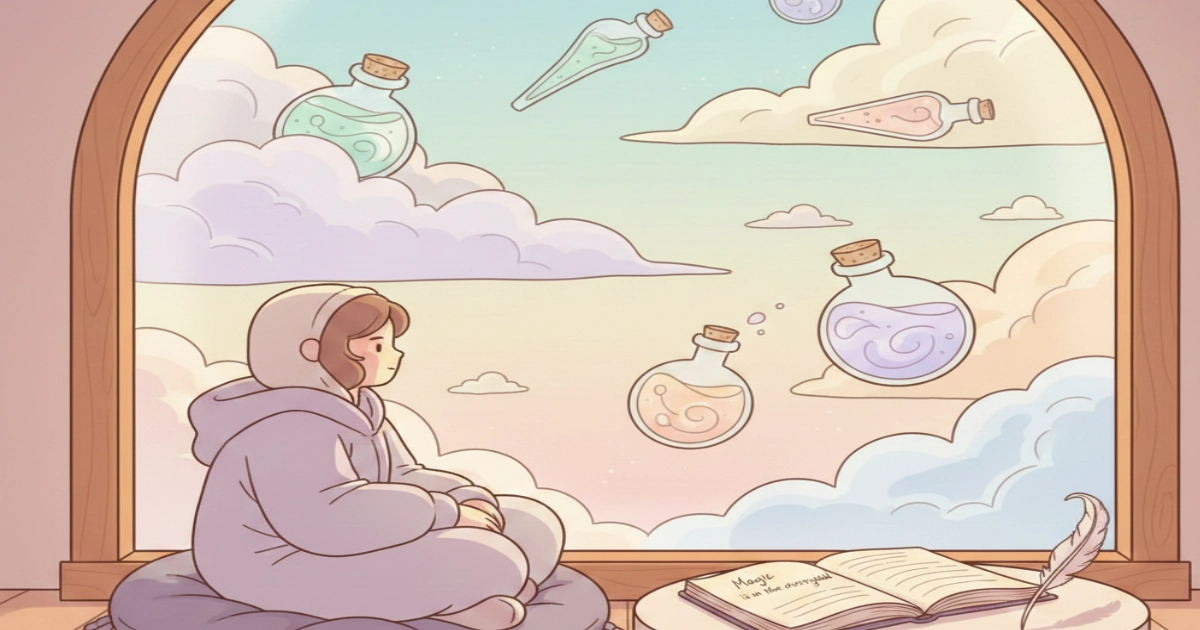
Sometimes the most peaceful action is simply staying.
Final Thoughts
Cozy games feel peaceful because they let you be a person, not a performer. They offer small meaning without big pressure, and they turn gentle repetition into comfort. In a world that often rewards urgency, “doing less” can be a quiet kind of strength.
If you want more calm design insights and cozy micro-joy, explore the Potion Game blog—and if our world feels like your kind of digital calm, join the waitlist for soft updates and future playtests.
Want to be part of a new cozy alchemy adventure?
Join the Potion Game waitlist 💛