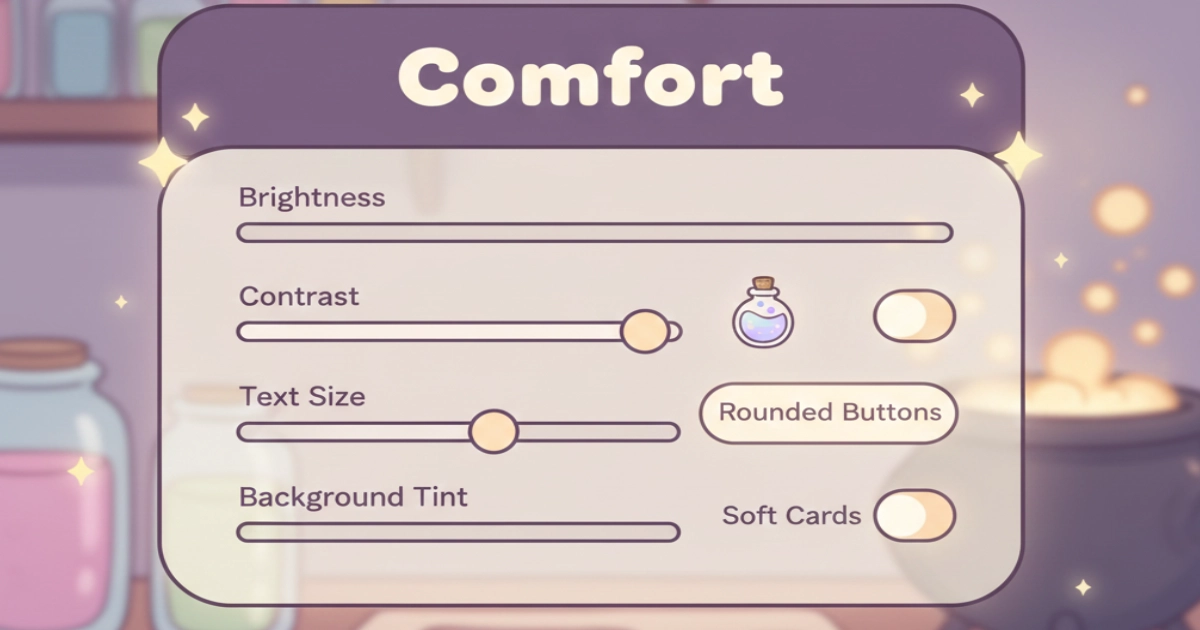
Color psychology cozy games refers to how warm palettes, soft shapes and gentle lighting create relaxing emotional states. Many people search for “which games help you relax?” without realizing that the answer often comes from visual design itself. Cozy games use colors and shapes intentionally to calm the mind, reduce stress and create a sense of emotional warmth.
In this article, we explore the scientific foundations behind color psychology cozy games, how pastel palettes reduce tension, why rounded shapes feel safe, and how visual softness can turn a simple game into a relaxing ritual.
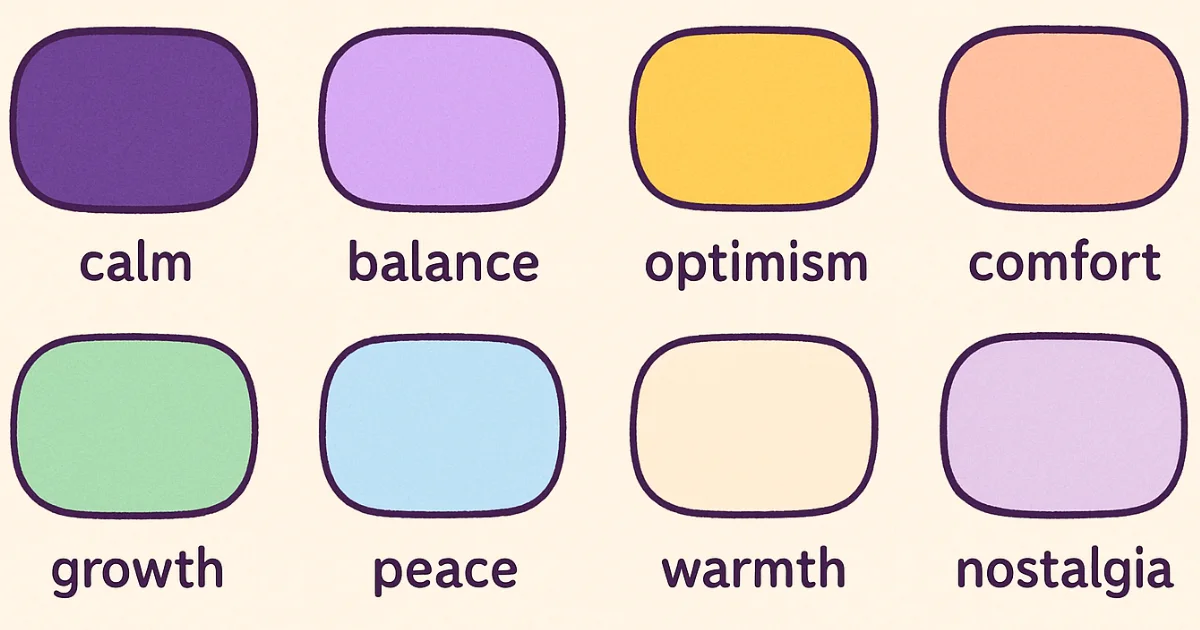
Table of Contents
1. Why Color Psychology Cozy Games Reduce Stress
Decades of research in environmental and affective psychology show that color has a direct impact on emotional states. Low-saturation hues and warm tones help the nervous system settle, reduce visual tension and support emotional regulation. This is one of the main reasons why color psychology cozy games feel calming even before gameplay begins.
Harvard Health Publishing highlights that gentle, predictable visual environments can significantly lower stress levels:
Harvard – Relaxation Techniques.
In short: your brain relaxes when colors are soft, predictable and low in intensity.
2. Warm & Soft Palettes Create Emotional Comfort
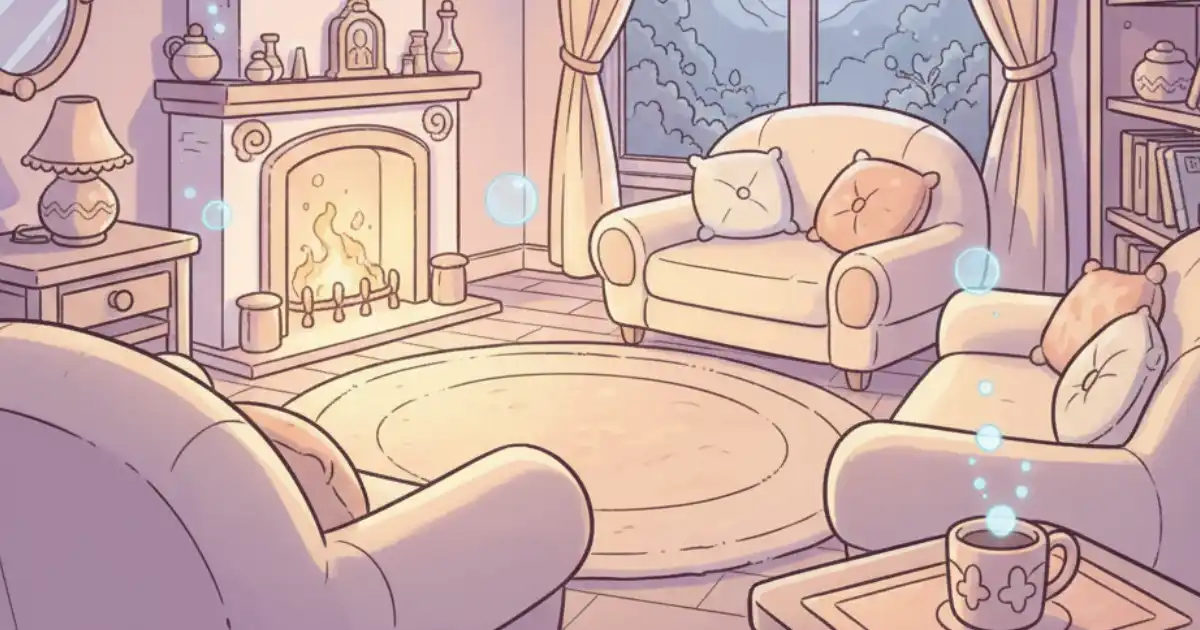
Most cozy games use warm, handcrafted palettes — and Potion Game follows this direction with soft lavender, peach glow, mint accents, gentle blues and creamy backgrounds. These hues work together to evoke emotional warmth, a sense of safety, and a subtle magical calm that helps players unwind and settle into the experience. This is one of the reasons why color psychology cozy games feel relaxing from the very first glance.
Research in color psychology shows that:
- Soft lavender tones support emotional regulation
- Pastel pinks and peach colors promote calm focus and gentle optimism
- Mint and sky-blue accents reduce visual stress and enhance clarity
- Creamy neutral backgrounds provide low-stimulus comfort and grounding
Together, these elements form the visual foundation of color psychology cozy games — a palette intentionally crafted to reduce tension and invite a feeling of peaceful immersion.
This is why color psychology cozy games naturally appeal to players searching for relaxing experiences.
3. Rounded Shapes and Soft Silhouettes Reduce Stress
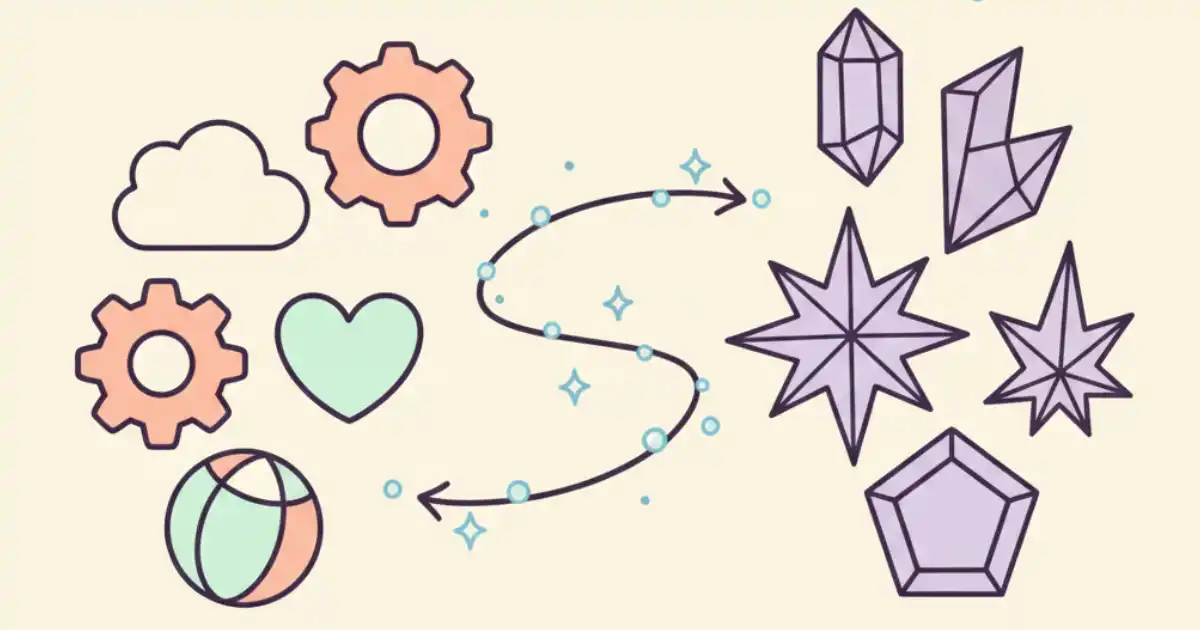
Color is only half of the equation. The shapes used in cozy games also influence relaxation. Neuroaesthetic research shows that the brain reacts differently to curved versus angular forms.
The American Psychological Association reports that rounded shapes reduce amygdala activation — the part of the brain responsible for detecting threats:
APA – Understanding Stress.
Cozy games use this principle through:
- rounded UI elements
- soft object silhouettes
- curved icons and cozy environments
These features make color psychology cozy games visually safe and emotionally grounding.
4. Gentle Lighting Enhances Emotional Relaxation
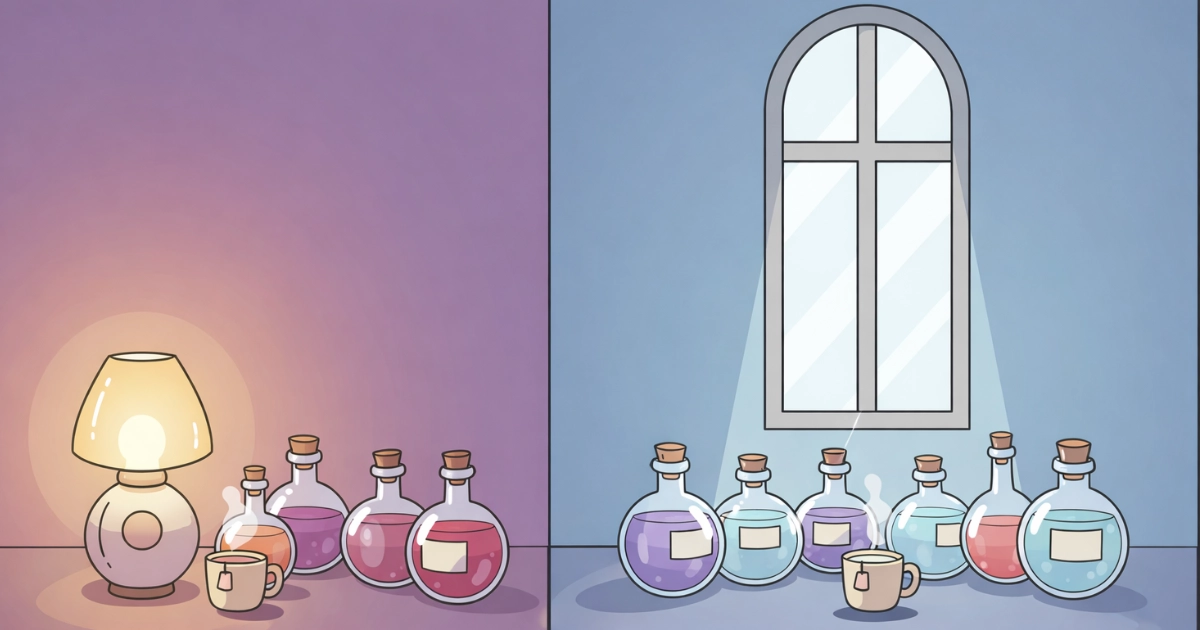
Lighting is one of the most powerful but subtle tools in cozy design. Warm lighting — the kind that mimics candles, sunsets or soft lamps — reduces physiological arousal and supports emotional calm.
Environmental psychology studies show that warm, low-intensity lighting:
- reduces cortisol levels
- lowers stress reactivity
- promotes emotional closeness
- supports calm attention and focus
This is why cozy games avoid harsh blues or strong contrasts. Even without noticing, your body relaxes as if entering a soft, welcoming room.
If you’re wondering “what game helps me relax before sleep?”, the best answer is usually: a game with warm, gentle lighting.
5. Why Color Psychology Cozy Games Help With Stress and Anxiety
Color psychology is especially effective for players dealing with stress, overstimulation or emotional exhaustion. Visual overstimulation increases anxiety, while soft palettes help the mind recover from cognitive load.
Cozy games reduce this overload by offering:
- gentle pastel environments
- soft and predictable hues
- warm, safe visual cues
- calm, stable color transitions
Together, these elements create a digital environment where the mind can breathe — a quiet refuge from sensory overload.
6. Which Colors Relax the Most? (Based on Research)
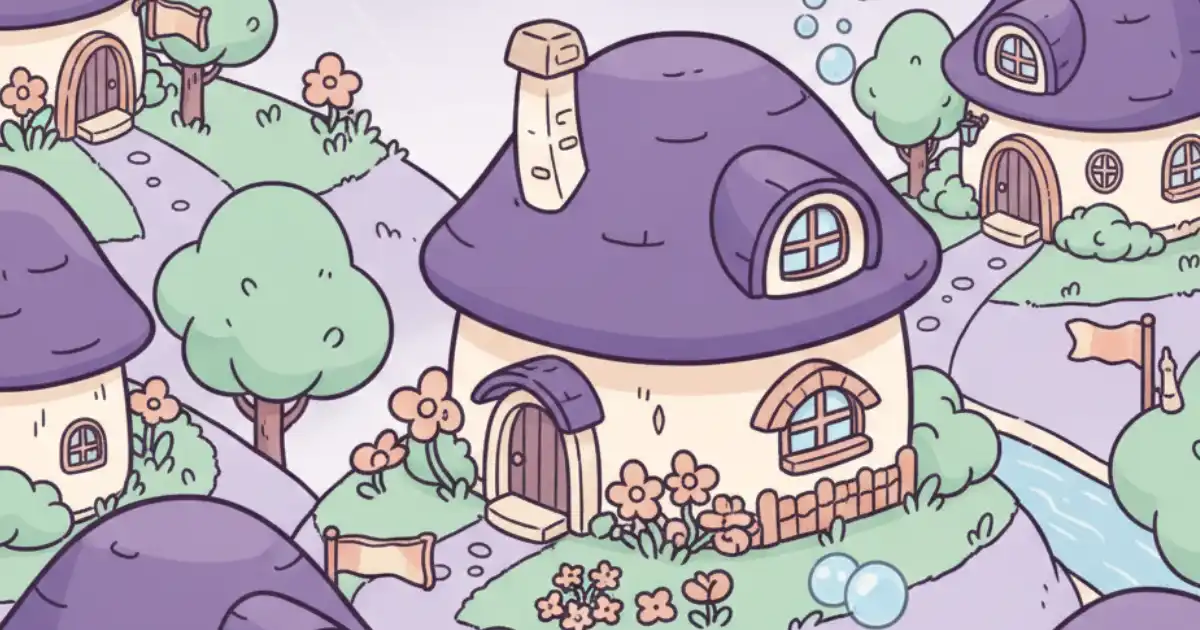
Scientific studies show that certain hues consistently support relaxation and emotional balance. These are the color families most often associated with color psychology cozy games, especially when used in soft, low-contrast palettes.
- Soft Lavender (#CDB5FF) → reduces cognitive load and supports emotional regulation
- Peach Glow (#F4A8A0) → promotes gentle optimism, calm focus and emotional warmth
- Mint Magic (#C5F0A0) → reduces visual stress and enhances clarity
- Bubble Blue (#AEE2FF) → evokes serenity, quietness and mental rest
- Cream Light (#FFF7EB) → provides grounding, low-stimulus comfort suitable for relaxation loops
Together, these hues create the visual harmony typical of color psychology cozy games. Their soft transitions, warm undertones and pastel quality help the mind settle, making them ideal for relaxing game worlds and cozy player experiences.
These tones are often used in color psychology cozy games because they help players calm down within seconds.
While these colors primarily support emotional calm and a sense of safety, they can also reduce the mental effort needed to process a game’s visuals.
If you’re curious about how pastel palettes specifically reduce cognitive load and visual fatigue in games, we explore that side in more detail in
how pastel palettes reduce cognitive load in games.
Final Thoughts
Color psychology cozy games demonstrate how visual design can directly influence emotional wellbeing. Warm palettes, rounded shapes and gentle lighting work together to reduce stress, making cozy games ideal for relaxing, unwinding or ending the day with a sense of calm.
If you enjoy calm, visually soothing experiences, you may like following the development of Potion Game, which uses warm palettes and gentle atmosphere to create a relaxing fantasy world.
For more cozy-scientific articles, you can read: Why Cozy Games Are So Popular
Want to be part of a new cozy alchemy adventure?
Join the Potion Game waitlist 💛