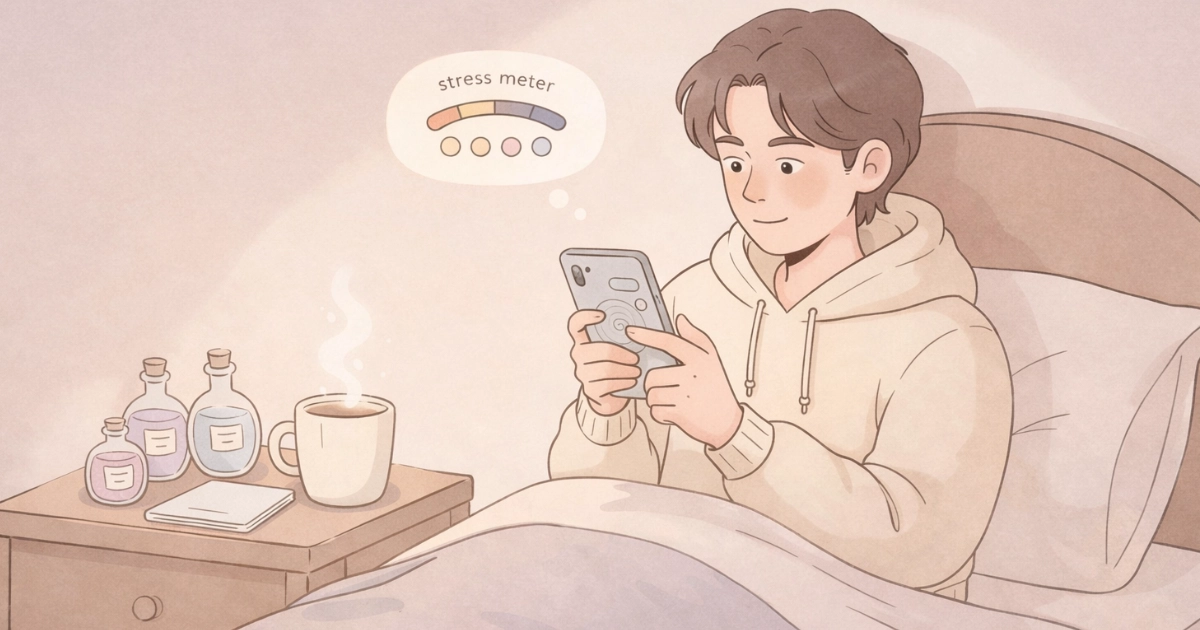
The slow play trend is not a sudden dislike of action. It is a quiet shift in what many players want their games to do for them. After years of high-speed loops, loud rewards, and constant competition, more people are choosing experiences that feel gentler, clearer, and easier to breathe inside.
This does not mean fast games are “bad.” It means the player’s life around the game has changed. When daily life already feels urgent, a game that demands constant alertness can start to feel like more work, not more joy.
Slow play offers something simple and rare: permission to move at your own pace. It is where cozy games, calm games, and mindful mechanics become more than a style. They become a form of digital calm.
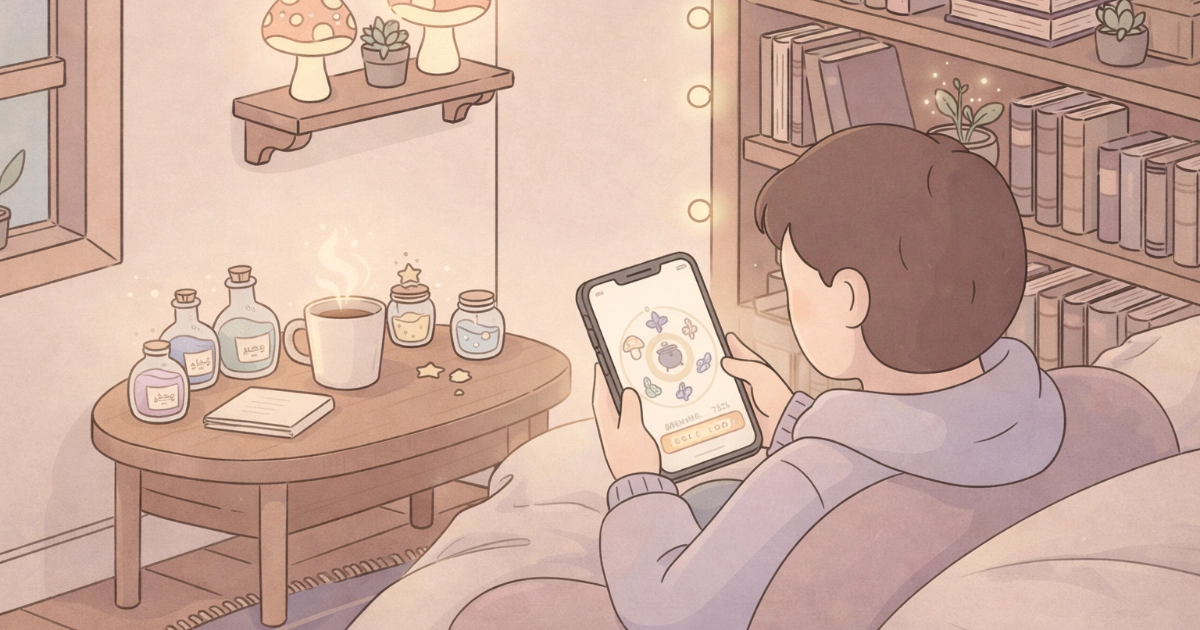
A calmer pace can feel like a soft reset.
Table of Contents
- 1) Why the slow play trend feels inevitable right now
- 2) The slow play trend is partly a nervous system choice
- 3) Slow play is not “easy” play, it is “low-pressure” play
- 4) What fast games give, and what slow play gives back
- 5) How designers can support the slow play trend without losing depth
- Final Thoughts
1) Why the slow play trend feels inevitable right now
Many players are not only tired of fast gameplay. They are tired of being “on” all day. Work tools, notifications, and scrolling feeds can keep the brain in a constant readiness state, where it expects the next demand at any moment.
In that context, a fast competitive loop can amplify stress instead of releasing it. Slow play becomes appealing because it reduces pressure and restores a sense of control, which is strongly linked to how safe and regulated we feel. For a simple overview of how stress affects the mind and body, this World Health Organization page is a solid starting point: WHO: stress Q&A.
2) The slow play trend is partly a nervous system choice
Fast games often ask for quick reactions, constant scanning, and repeated micro-decisions. That can be thrilling, but it also keeps attention tight and vigilant. Over time, some players start to crave the opposite: a softer attention mode where nothing “jumps out” to punish them.
Slow play supports this by lowering cognitive friction. You get fewer forced decisions per minute, more predictable feedback, and more space to think. This is one reason relaxing games can feel restorative even in short sessions.
Slow play also pairs naturally with healthy evening routines. When the goal is calm, the best games are often the ones that do not spike arousal right before sleep. If you want a practical guide for sleep-friendly habits (including screen timing), this resource is widely used: sleep hygiene.
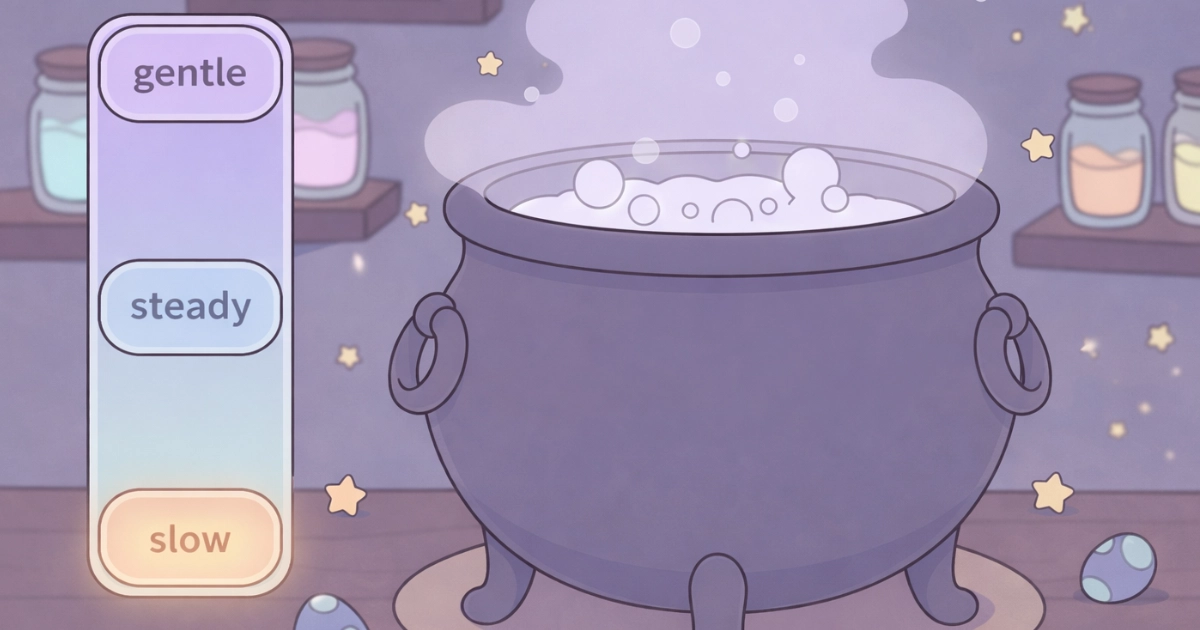
Choice of pace is a form of comfort.
3) Slow play is not “easy” play, it is “low-pressure” play
A common misunderstanding is that slow games are shallow. In reality, slow play can be deeply engaging. The difference is the emotional texture: the challenge is softer, the pacing is kinder, and the player is rarely rushed.
Think about the kinds of effort that feel nourishing: organizing, crafting, decorating, planning a route, or improving a recipe. These activities can be complex, but they do not need to be loud. They invite focus without threat.
This is why cozy games for stress often rely on gentle mastery instead of aggressive stakes. If you want a practical design breakdown of what makes a game feel cozy, you can explore our guide here: What Makes a Game Cozy? The 7 Core Elements of Calm Design.
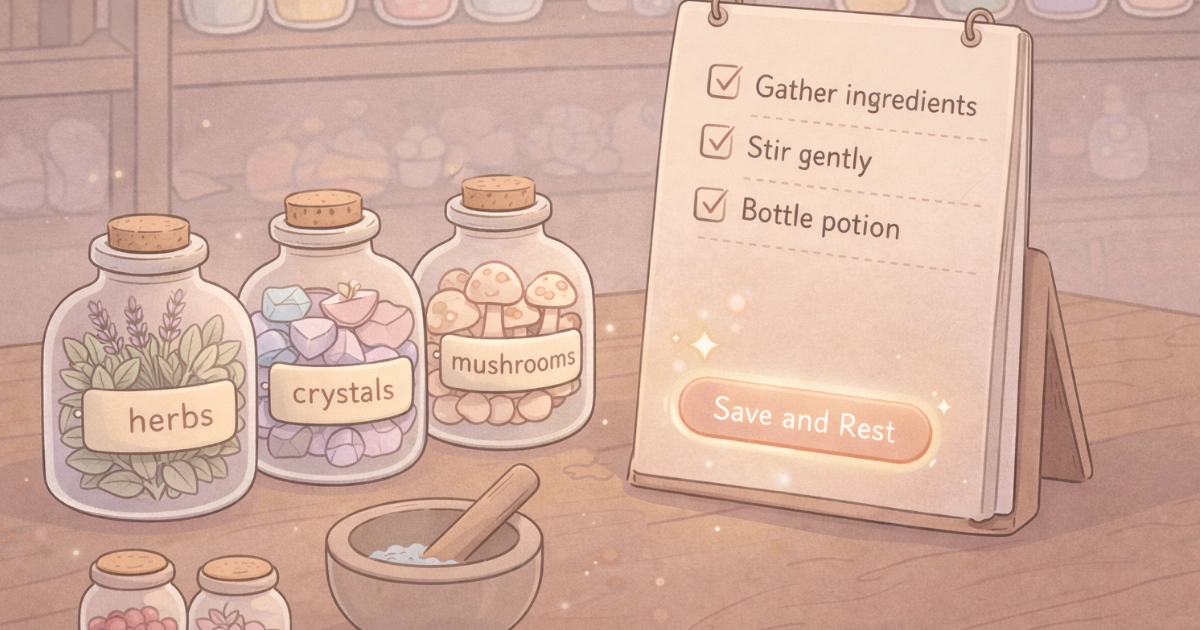
Progress can be quiet and still satisfying.
4) What fast games give, and what slow play gives back
Fast games can deliver intensity, sharp skill growth, and a strong sense of achievement. They can also create social energy through competition and teamwork. For many players, this is joyful and meaningful.
But fast games can also create a feeling of never being done. Ranked ladders, battle passes, timed events, and streak systems can make rest feel like falling behind. When that pressure stacks on top of real life, players may start looking for games that feel complete in smaller doses.
Slow play gives back a feeling of closure. You can finish a small task, save, and leave with your mind quieter than before. That “clean stop” is a design feature, not an accident.
If you are building a cozy experience, consider linking calm progression with a gentle end-of-session moment. This supports players who want short rituals, not endless loops. For a related comparison, you may also like: Cozy Games vs Relaxing Apps — Why Games Work Better.
5) How designers can support the slow play trend without losing depth
Designing for slow play does not mean removing goals. It means changing how goals feel. The best calm games keep players engaged through clarity, autonomy, and gentle feedback.
Here are a few practical design directions that often support mindful pacing:
- Predictable feedback: let players understand why something worked, without surprise penalties.
- Small, finishable tasks: create goals that fit in 5–15 minutes and feel complete.
- Low-stakes failure: make mistakes funny, recoverable, or informative rather than punishing.
- Player-controlled tempo: avoid timers by default, or keep them optional and forgiving.
- Soft reward design: use calm audio and gentle visuals instead of loud “win” spikes.
- Rest-friendly UX: readable UI, low visual noise, and clean “save and stop” cues.
When these choices come together, slow play becomes a consistent emotional promise: “You are safe here, and you can take your time.”
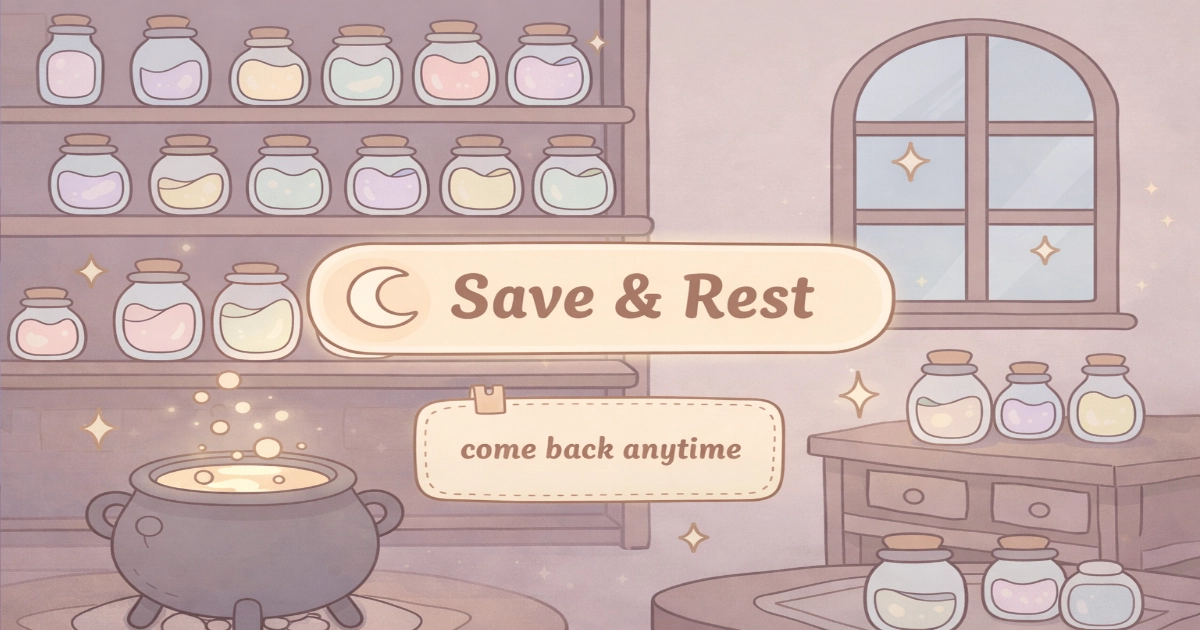
A calm ending is part of the design.
Final Thoughts
The slow play trend is not only about games. It is about the emotional job we ask games to do. When life is fast, many players want play to be slow. They want calm games that offer focus without fear, progress without pressure, and comfort without numbness.
If you are building or following cozy design, slow play is a powerful lens: it helps you protect the player’s attention instead of draining it. If that sounds like your kind of magic, join the waitlist for Potion Game and step into an alchemy loop designed for gentle, mindful play.
Want to be part of a new cozy alchemy adventure?
Join the Potion Game waitlist 💛