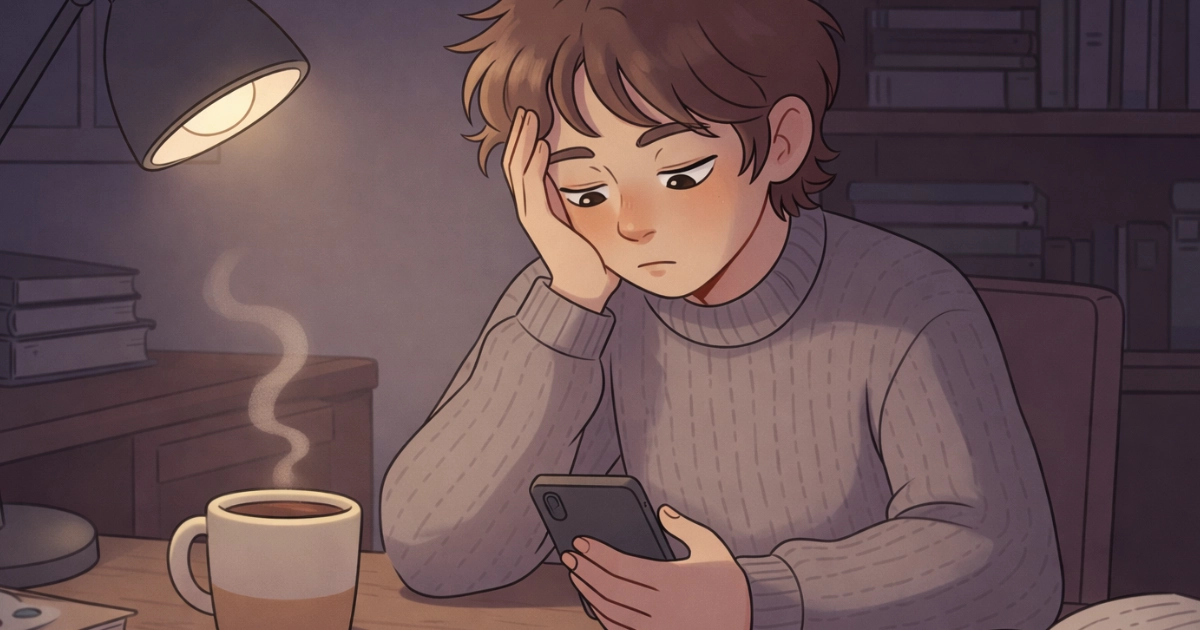
If your brain feels “full” after a long day of study, meetings, tabs, and notifications, you’re not imagining it. Many of us live with attention fatigue—a state where focus becomes harder to hold and even enjoyable activities start to feel demanding.
This is where slow games attention fatigue relief can feel surprisingly real. Slow-paced games do more than entertain. They can create a small pocket of digital calm, offering gentle structure without the pressure of speed, competition, or constant alerts.
In this article, we explore why slow games feel kinder to a tired mind, how their pacing supports recovery, and what makes cozy games for stress feel genuinely restorative.
A small, soft pause can feel like a reset.
Table of Contents
What Attention Fatigue Feels Like (and Why It Happens)
Attention is not infinite. After hours of switching tasks, resisting distractions, and making decisions, the mind can feel worn down.
This often shows up as mental fog, irritability, or a strong pull toward “something easy” that still feels comforting. It is not laziness—it is a signal that focus needs recovery.
Psychology often describes attention as a limited resource. When an activity demands constant alertness—rapid scrolling, competitive pressure, strict timing—the mind stays in a state of effort. Over time, that effort can deepen attention fatigue instead of relieving it.
How Slow Games Ease Attention Fatigue in Overstimulated Minds
Fast-paced experiences ask you to react. Slow games invite you to notice.
This difference matters when your mind is overstimulated. With slow games, attention fatigue relief comes from softer edges: fewer urgent moments, fewer penalties, and fewer situations where you feel pushed to perform.
Instead, slow games often offer:
- Low-stakes goals: you finish when you feel ready.
- Predictable responses: actions lead to outcomes you can trust.
- Gentle pacing: space between actions instead of constant demand.
- Single-task focus: one clear thing at a time.
- Comforting repetition: small routines that feel safe and familiar.
This style of play can feel like a soft “attention massage.” Not empty or mindless—just steady, supportive, and easier to stay with. If you are curious how this rhythm works in practice, you may enjoy our guide to slow gameplay loops in Potion Game.
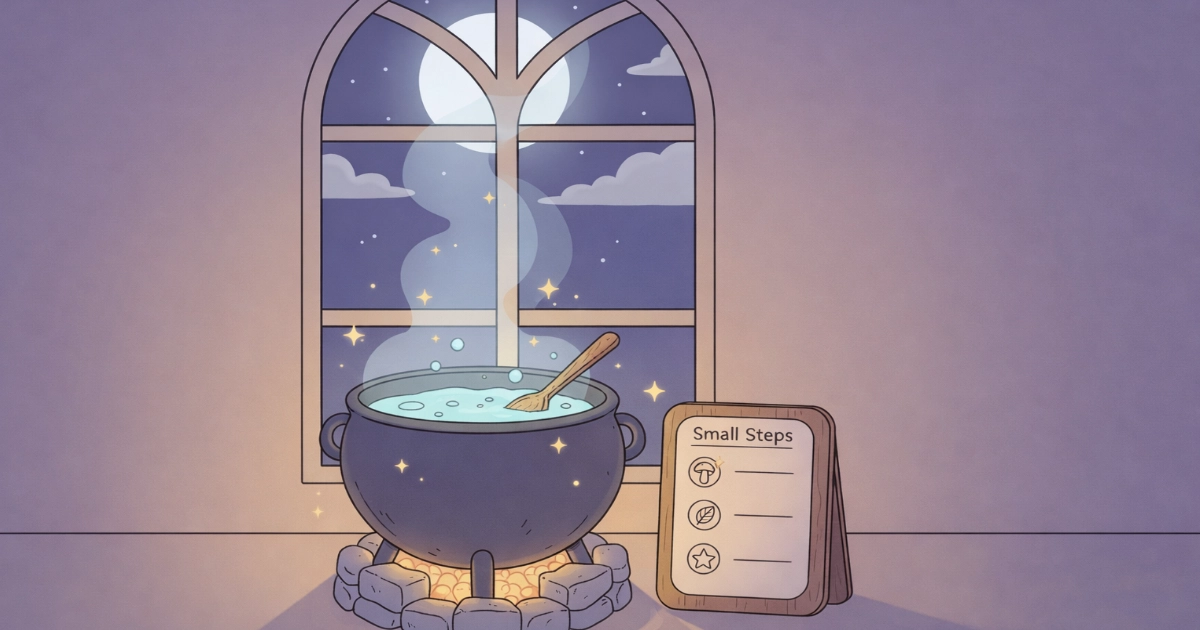
Slow progress can feel quietly satisfying.
Soft Focus: Why Gentle Tasks Support Mental Recovery
Not all rest means doing nothing. Sometimes the mind recovers best when it has a light, non-demanding place to rest.
Slow games often sit in this sweet spot. They give you something to engage with, but without flooding you with choices or pressure. Your attention can soften instead of snapping between demands.
This echoes ideas from attention restoration research, which suggests that gentle, low-demand experiences help the brain recover from effortful focus. Natural environments are a classic example, but calm games can mirror this effect through soothing visuals, gentle sound, and unhurried interaction.
For a deeper overview, you can explore the Attention Restoration Theory summary, which explains how soft engagement supports mental recovery.
When a game allows slow living—quiet goals, repetition, and permission to pause—it can become a small but meaningful tool for recovery, especially for stressed students and busy professionals.
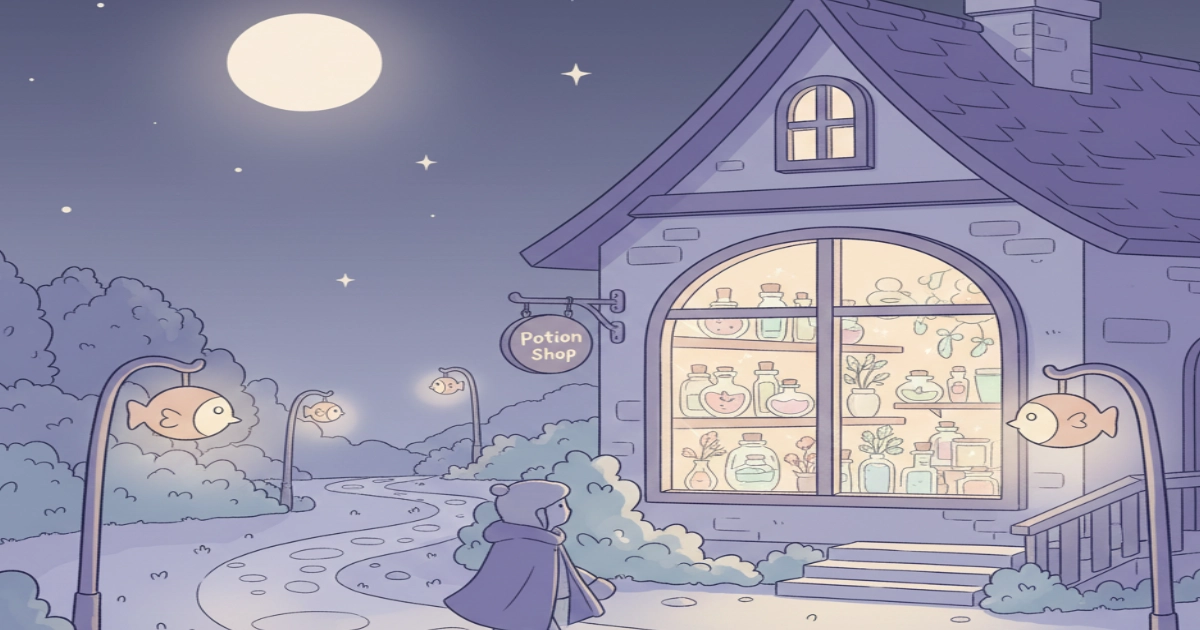
A calm world encourages a calm pace.
Why Slow Games Feel Safe Instead of Boring
Slow does not mean empty. The most comforting games still feel meaningful—just without sharp stress spikes.
What often creates a sense of safety is clarity and control. You understand what is happening. You feel in charge of your pace. Nothing rushes you.
This sense of safety is reinforced when:
- You control the tempo: act, pause, or stop when you choose.
- Mistakes feel gentle: errors are recoverable and low-pressure.
- Visual cues feel clear: nothing demands constant scanning.
- Actions repeat calmly: familiar motions become soothing rituals.
- The world feels coherent: warm colors and soft shapes reduce friction.
These qualities reduce vigilance. You do not need to stay on guard for penalties or surprises. In Potion Game, this shows up as slow, tactile rituals—mixing, warming, pouring—so play feels like a routine rather than a test.
How to Choose Calm Games for Stress Without Overloading Yourself
Not every game labeled “cozy” will actually feel restorative. Some look soft but still rely on constant alerts, streak pressure, or a sense that you should always be optimizing your time.
If your goal is slow games attention fatigue relief, look for experiences that respect your limits.
Helpful signals include:
- Few or optional timers
- Play that tolerates interruptions
- Gentle sound and simple navigation
- No penalty for stopping mid-task
- Progress that feels fine in short sessions
Pay attention to how you feel after ten minutes. If your body feels softer and your breathing slows, the game is likely supporting recovery. If you feel tense or pulled to keep going, it may be stimulating attention instead of restoring it.
For broader context on healthy relationships with screens, the American Psychological Association overview on technology and mental health offers a useful starting point.
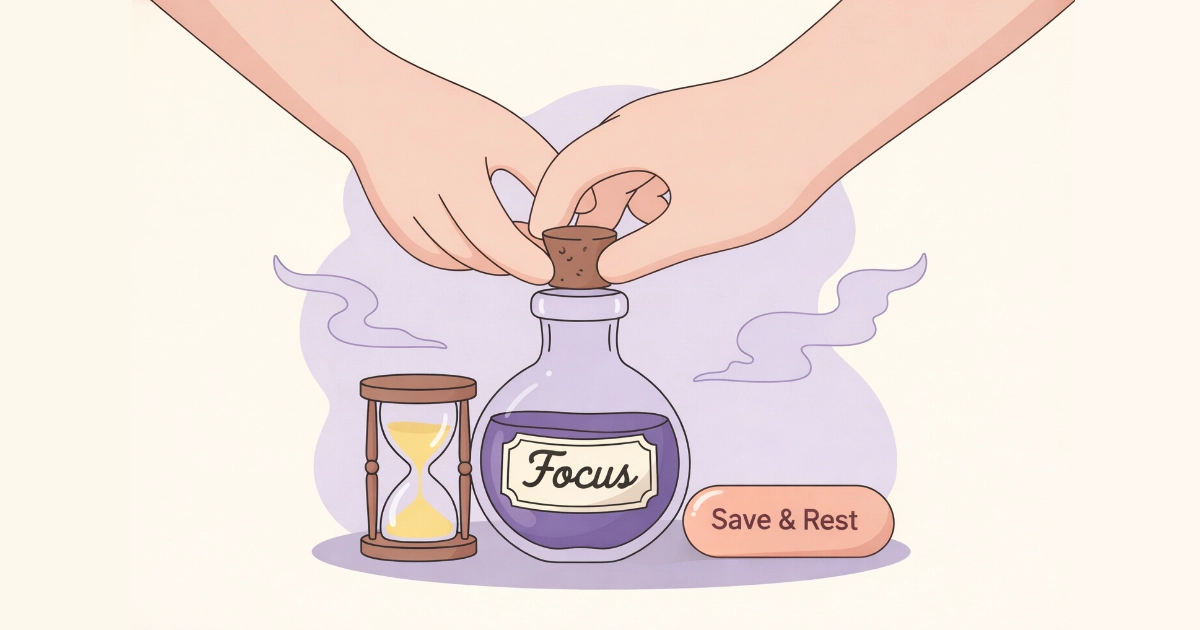
A calm ending is part of the comfort.
Final Thoughts
Attention fatigue is not a personal failure. It is a natural response to modern intensity: too many inputs, too many decisions, too little recovery.
Slow games can act as a small, kind counterbalance—structured enough to support you, gentle enough to let you breathe.
If you are looking for an experience that treats focus as something precious, not something to spend recklessly, slow cozy games offer a softer rhythm. If Potion Game sounds like your kind of digital calm, you can join the waitlist and step into a quieter pace, one potion at a time.
Want to be part of a new cozy alchemy adventure?
Join the Potion Game waitlist 💛