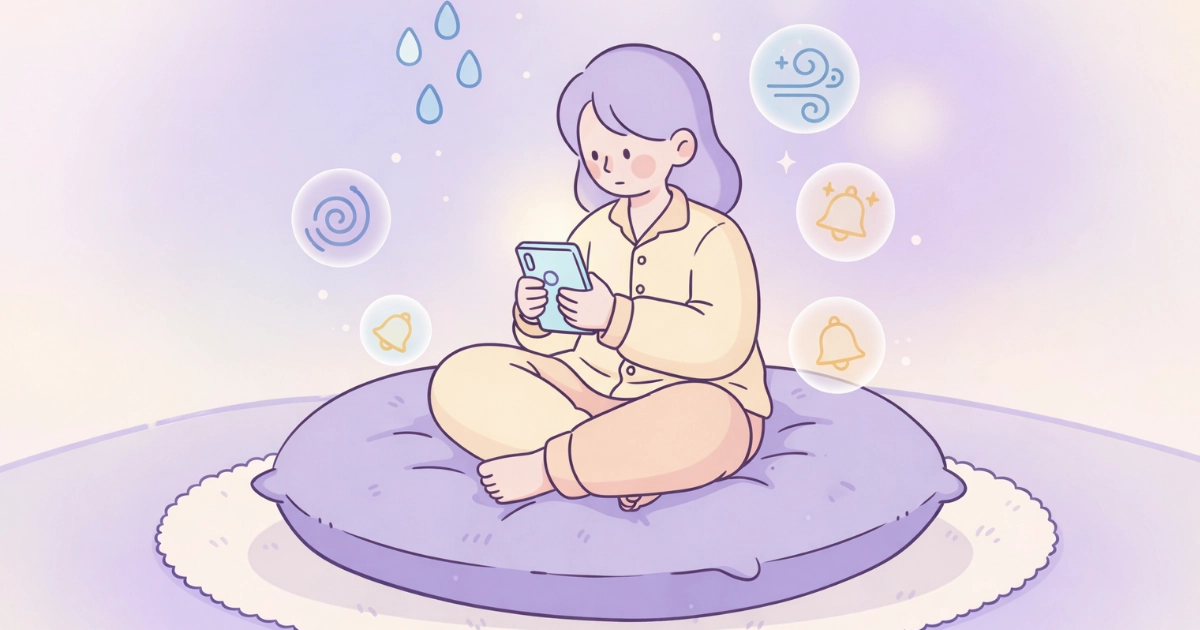
In a world of constant notifications, fast-paced feeds, and endless multitasking, many people experience digital overstimulation.
Cozy games offer something radically different: a gentle environment where the mind can soften, slow down, and rediscover calm.
Players often describe cozy games as a refuge — a place that feels emotionally quieter and easier to inhabit. Research on attention, nervous system recovery, and predictable routines helps explain why these experiences can create such a strong sense of safety and relief.
This article explores how cozy games support digital overstimulation calm, why slow and predictable activities feel soothing, and how cozy play can become part of a healthier, more balanced digital routine.

Soft environments help the mind slow down and release overstimulation.
Table of Contents
1. Understanding Digital Overstimulation
Digital overstimulation happens when the mind is asked to process more input than it can comfortably handle. Rapid updates, constant switching, and competing signals keep attention stretched thin.
When everything demands focus at once, the nervous system stays slightly alert. Over time, this can feel like mental noise, tension, or fatigue — the sense that the mind never fully rests.
2. How Cozy Games Create a Safe Mental Space
Cozy games gently reverse this pattern. Instead of urgency, they offer steadiness. Instead of constant reaction, they invite presence.
Soft visuals, gentle sounds, and low-pressure activities reduce the feeling of psychological threat. The experience communicates that nothing urgent is required, allowing the mind to settle back toward balance.
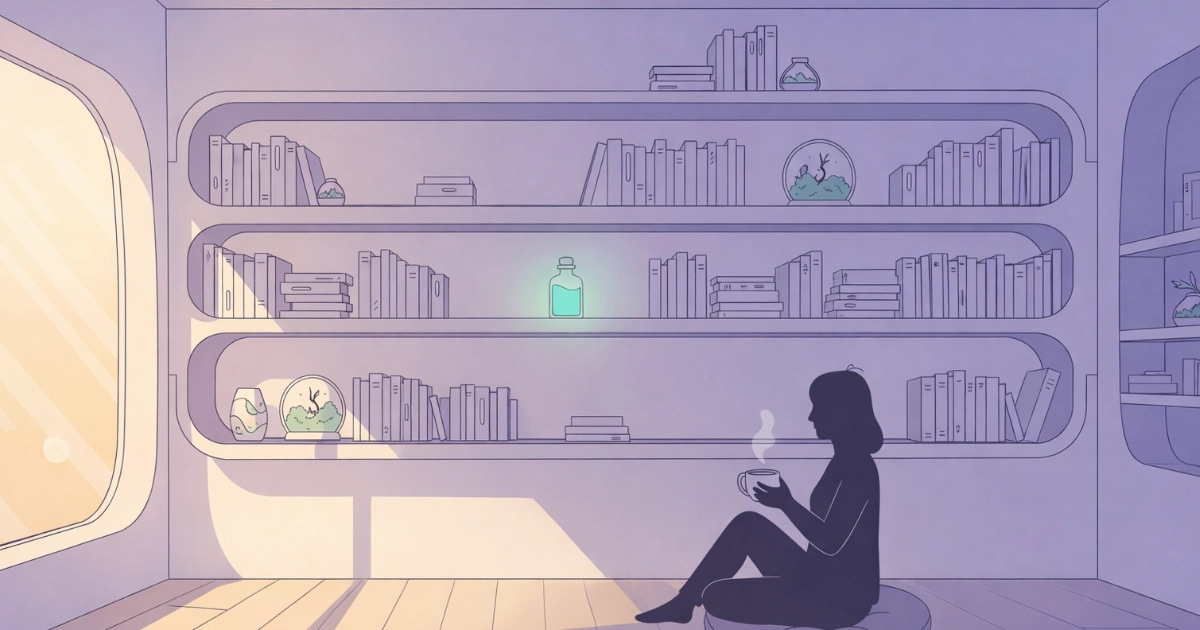
Warm colors and gentle compositions help the mind feel at ease.
3. Why Predictable Soft Tasks Calm the Mind
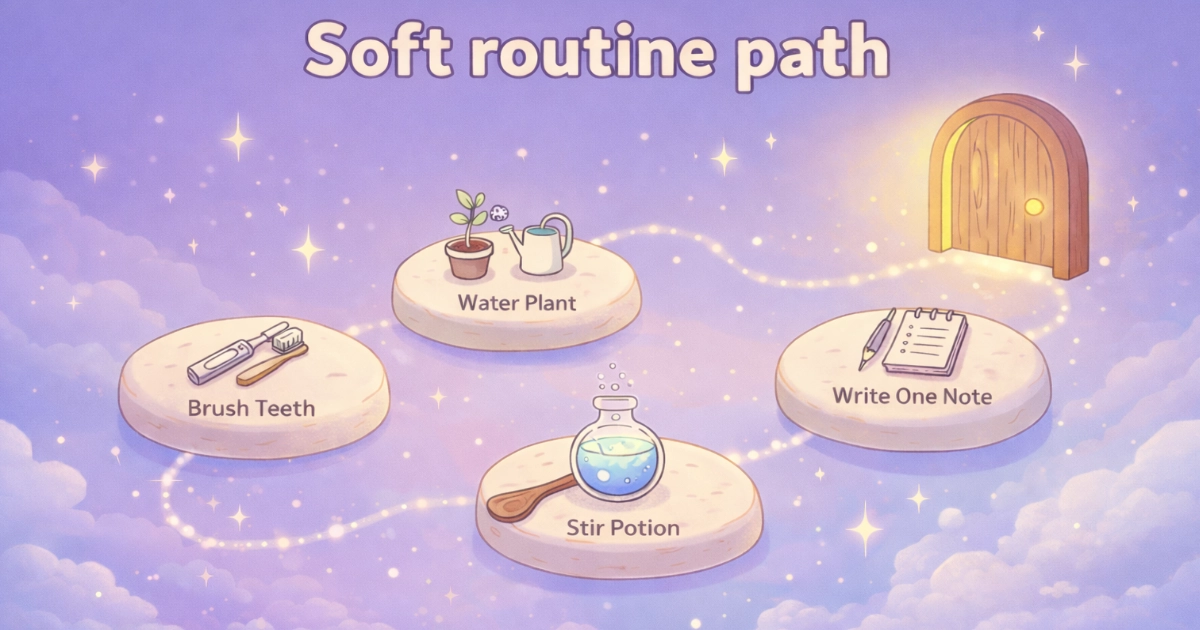
One reason cozy games feel grounding is their use of small, predictable activities: watering a plant, arranging items, stirring a potion, decorating a space.
These actions form a rhythm the brain can anticipate. When outcomes are familiar and forgiving, uncertainty fades — and with it, much of the stress that comes from overstimulation.
This gentle repetition supports a feeling of control and ease. Completing simple tasks without pressure creates quiet moments of accomplishment that help attention recover.
4. The Science of Visual Softness
Visual tone strongly influences how safe or tense an experience feels. Sharp edges, harsh contrast, and aggressive colors keep attention on guard.
Cozy games lean toward rounded shapes, pastel tones, and gentle gradients. These visual qualities feel less demanding and reduce sensory intensity, making it easier for the eyes — and the mind — to relax.
If you’d like to explore this idea further, you can read our article on the psychology of soft tasks.
5. Cozy Games as a Tool for Digital Calm
Many players turn to cozy games as a way to decompress after overstimulating digital experiences. Slow progression, gentle feedback, and predictable flow create a buffer between high-intensity screens and rest.
Low-demand activities are often linked to mental recovery, helping attention feel refreshed rather than drained. Cozy play can become a small ritual that signals the end of digital pressure and the return of calm.
For additional context, you may find this external psychology resource helpful.

Cozy games can become gentle digital rituals that help the mind unwind.
Final Thoughts
Digital overstimulation is a growing challenge, but cozy games offer a soft, accessible counterbalance. Through predictable activities, warm visuals, and unhurried pacing, they give the mind space to breathe and reset.
If you’re looking for experiences designed to soothe and restore, you’re welcome to join the Potion Game waitlist and explore a carefully crafted world built around calm, gentle play.
Want to be part of a new cozy alchemy adventure?
Join the Potion Game waitlist 💛