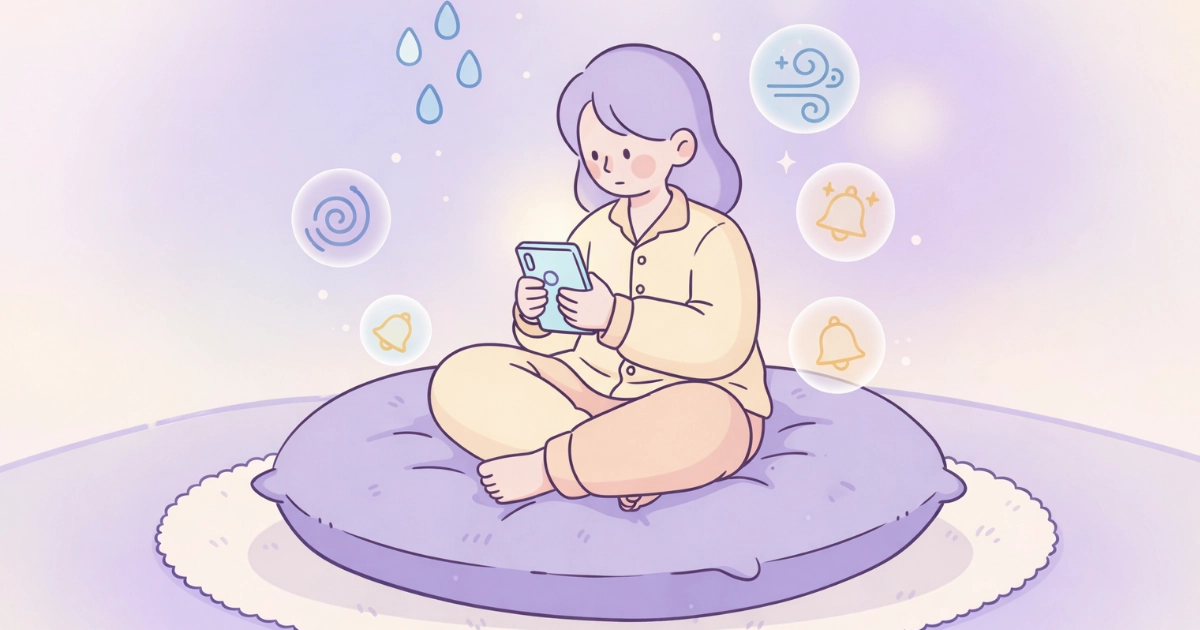
At the end of a long day, your brain often feels tired, overloaded, and anxious. Many players are now turning to cozy games stress relief instead of intense, competitive titles, because calm play gives the mind something it rarely gets: a safe, predictable space to breathe.
Unlike fast games that demand constant focus and rapid reactions, cozy games use slow loops, soft visuals, and gentle tasks to help the nervous system reset. This kind of cozy games stress relief is not just a feeling – it is supported by growing research on digital wellbeing and emotional regulation.
In this article, we’ll explore how cozy games help your brain recover from daily stress, why simple actions feel so soothing, and how you can use them as part of a healthier digital routine.
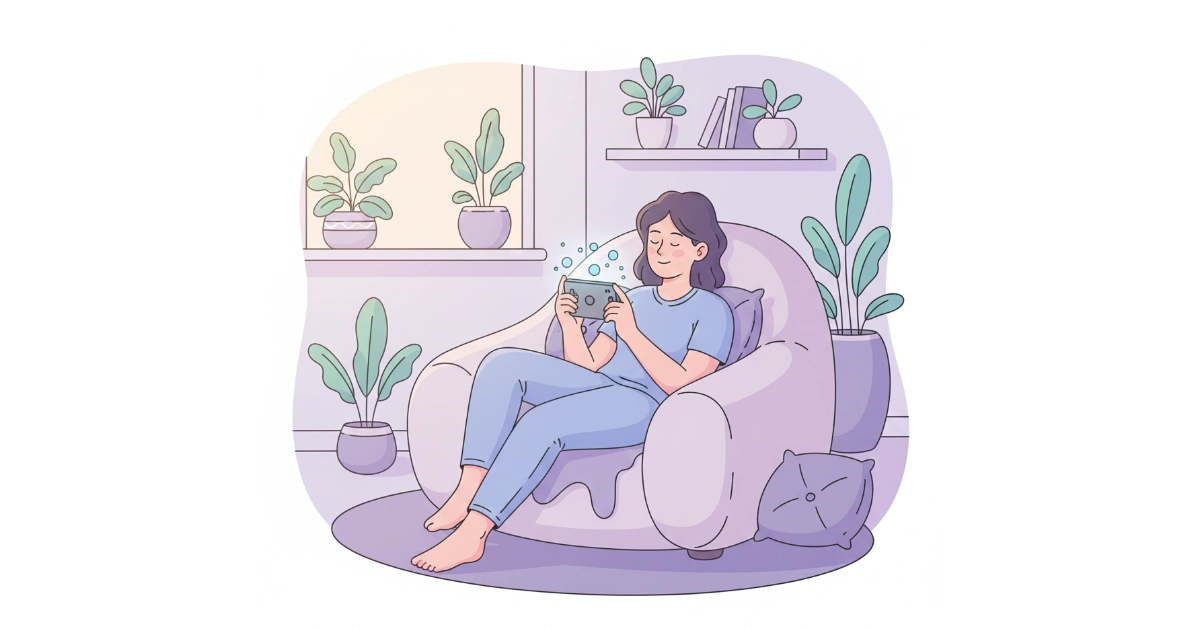
Table of Contents
1. Why Daily Stress Overloads Your Brain
Modern life rarely gives your mind a break. Constant notifications, multitasking, and tight schedules keep the nervous system in a state of alert. Over time, this daily stress can lead to mental fatigue, irritability, and difficulty concentrating.
Psychology and neuroscience research show that chronic stress is linked to raised cortisol levels, reduced attention span, and emotional exhaustion. When the brain is always “on”, it struggles to switch into a state of rest and recovery.
This is where cozy games stress relief becomes interesting: instead of pushing your brain harder, they give it a soft place to land.
2. How Cozy Games Stress Relief Creates a Safe Mental Space
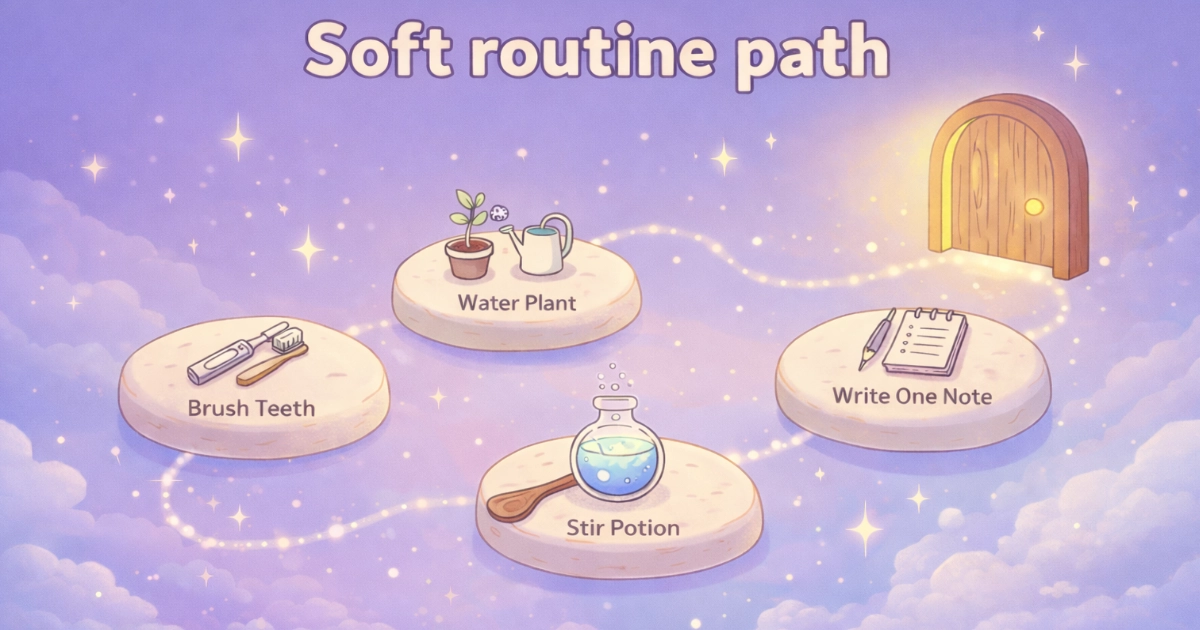
Cozy games are designed around comfort, not performance. There are no harsh timers, no punishments for mistakes, and no pressure to be the best. Tasks are simple, predictable, and often loop-based: water a plant, stir a potion, arrange a shelf, decorate a room.
These gentle loops create a low-pressure environment that signals safety to the nervous system. The brain can shift from “fight-or-flight” to “rest-and-digest”, which is essential for stress recovery.
According to digital wellbeing research, calm interactive experiences can support emotional regulation and reduce stress symptoms. Instead of adding more noise, cozy games stress relief offers:
- slow, repetitive tasks that feel grounding
- clear goals without pressure
- soft feedback instead of harsh failure states
- visual and audio environments designed to soothe
If you want a broader introduction to why this genre is growing, you can read our guide on why cozy games are becoming so popular.
3. Gentle Tasks and Rituals Help the Mind Reset
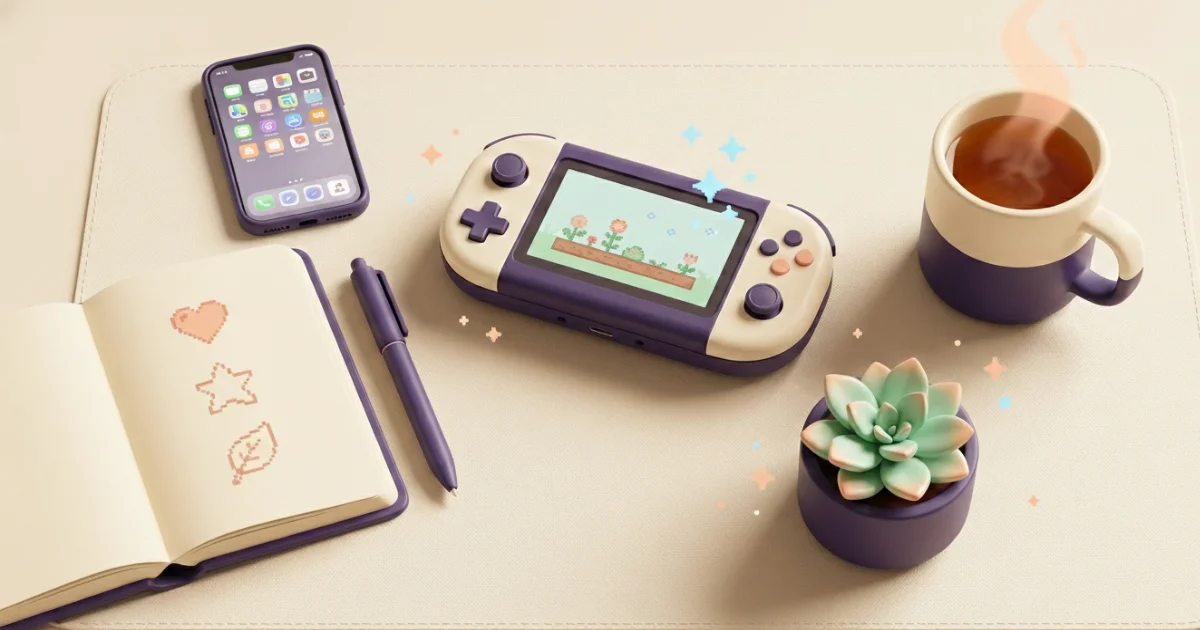
One of the strongest mechanisms behind cozy games stress relief is the power of small rituals. When you perform simple, repeatable actions – like watering virtual plants, organizing ingredients, or restocking a tiny shop – your brain enters a familiar rhythm.
Behavioral psychology shows that rituals reduce uncertainty and create a sense of stability. This is crucial after a chaotic day, when your thoughts feel scattered and out of control. Cozy game loops act like digital rituals that say, “You know what comes next. You are safe here.”
These soft routines can also support emotional regulation. When you focus on one gentle task at a time, your attention shifts away from stressful thoughts and towards something concrete and manageable. Over time, this can lower perceived stress and help your mood stabilize.
4. Soft Visuals and Audio Support Emotional Recovery
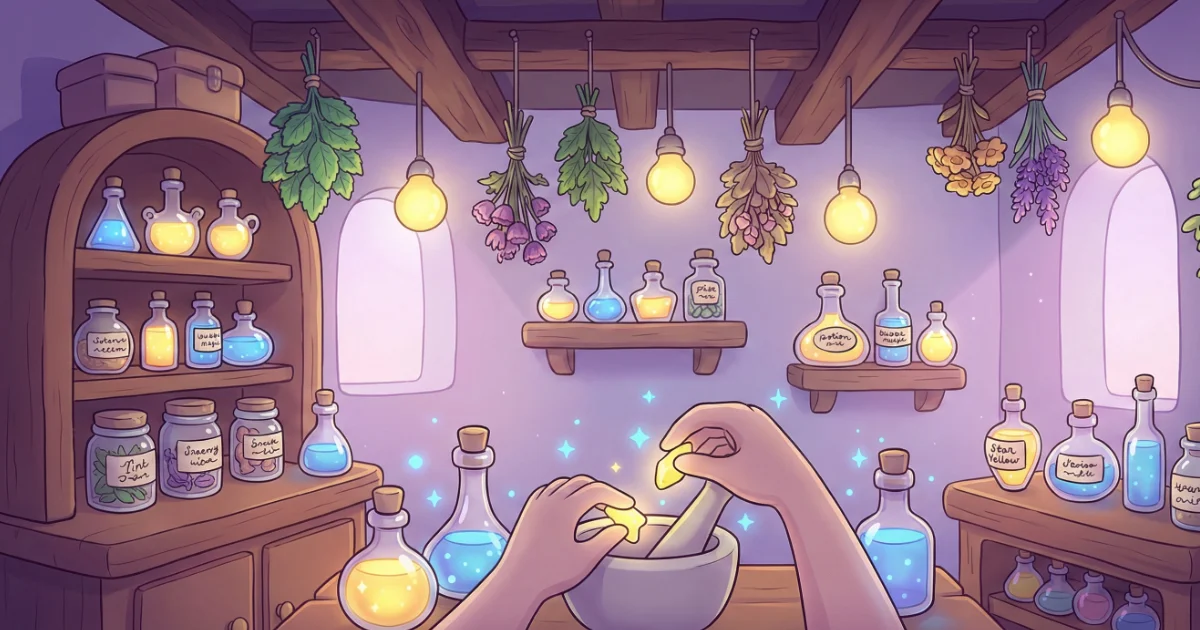
Visual and audio design play a huge role in cozy games stress relief. Instead of sharp edges and high contrast, cozy games use pastel palettes, warm lighting, and rounded shapes. Soundscapes are usually gentle: soft music, quiet ambient loops, and minimal harsh effects.
Research in color psychology and neuroaesthetics suggests that low-saturation colors, warm tones, and curved forms can reduce visual tension and lower stress responses. Likewise, slow, predictable audio can help the nervous system shift into a calmer state.
In practice, this means that simply being inside a cozy game world can feel like stepping into a warm room after a noisy day. Your eyes and ears finally rest. You can also explore more on this topic in our article about how color and lighting make cozy games more relaxing: read the color psychology guide.
5. Turning Cozy Games Into a Healthy Stress Relief Routine
Cozy games become truly powerful when you use them intentionally, as part of a small self-care routine. Instead of scrolling social media late at night, you can choose a 15–30 minute session of cozy games stress relief.
Here are some examples of healthy habits:
- playing a cozy game for 20 minutes after work before opening chat apps
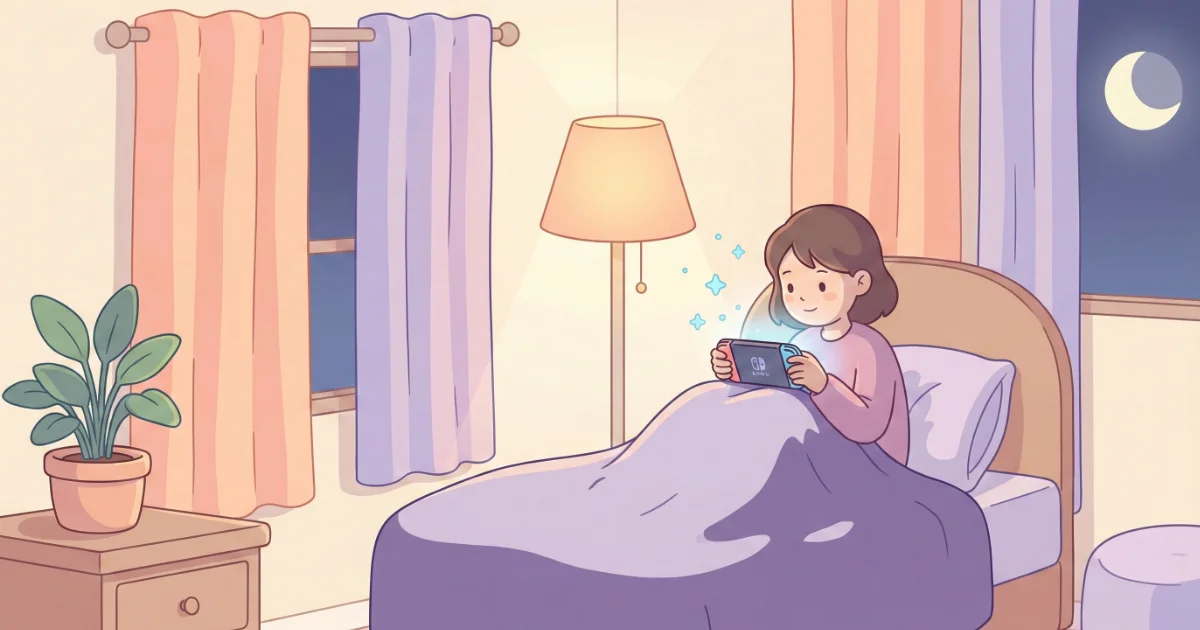
- using a soft crafting or farming game as a pre-sleep ritual
- replacing one stress-inducing competitive game with a calm alternative
- keeping notifications off while you play to protect your focus
Digital wellbeing experts increasingly recommend mindful, low-pressure digital activities as a way to counteract overstimulation. For a broader perspective on this, you can visit an external digital wellbeing resource such as this guide on balancing technology and mental health.
Final Thoughts
Cozy games stress relief is more than a trend – it is a real way to help the brain recover from daily overload. By combining gentle tasks, soft visuals, calm audio, and low-pressure design, cozy games create a digital environment where your nervous system can finally slow down.
If you’re looking for a softer way to end the day, consider adding a cozy game to your routine instead of another hour of doomscrolling or competitive play. Even a short, mindful session can become a small ritual of digital calm.
If you enjoy this kind of experience, you may also like following the development of Potion Game, a cozy alchemy game designed around warm visuals, gentle loops, and calm interaction.
Want to be part of a new cozy alchemy adventure?
Join the Potion Game waitlist 💛